

Why Every Business Should Rethink Commercial Door Hardware in Houston Before It Becomes a Costly Problem

Business News for Commercial Door Hardware Houston

A commercial door rarely gets much attention when it works. Employees walk through it. Customers pull it open. Delivery drivers lean against it while carrying boxes. The door closes, locks, and becomes another invisible part of the building.

Then one morning it does not latch.

Suddenly, an ordinary piece of the property becomes the most discussed item in the business. Employees are calling management. Someone is standing near the entrance. A customer has already mentioned the door. The maintenance person is looking at the lock and wondering whether a quick adjustment will solve anything.

For Houston business owners, commercial property problems have a way of showing up at inconvenient times. đź”§ Door hardware is especially easy to overlook because deterioration often happens slowly. A closer gets weaker. Hinges begin to move. A latch needs an extra push. Employees become accustomed to pulling the door twice before walking away.

Those little habits can hide a bigger issue.

Business owners considering upgrades, replacement hardware, or better door security often start by researching Commercial Door Hardware Houston options that are appropriate for the amount of traffic and daily use their building experiences.

The important thing is recognizing the problem before a minor annoyance turns into an expensive business interruption.

Houston Businesses Put Their Doors Through More Than They Realize

Houston is not a small, sleepy market where a commercial entrance may be opened a handful of times each day. The city is home to a broad mix of offices, healthcare operations, retail stores, industrial businesses, restaurants, warehouses, hotels, and professional service companies. An overview of Houston on Wikipedia gives a sense of the city’s enormous geographic footprint and diverse economic identity.

That business activity creates wear.

Consider a door used by 40 employees. Each person may enter and exit the building several times during a normal workday. Add customers, vendors, delivery drivers, cleaning personnel, and management. A commercial entrance can go through hundreds of operating cycles without anyone stopping to think about the hardware holding everything together.

The door closer absorbs movement. Hinges carry weight. The lock and latch are repeatedly engaged. Exit hardware may be pushed throughout the day.

Over time, small changes can become noticeable. The door may close too quickly or too slowly. It may fail to line up correctly with the frame. The lock can feel stiff. Employees may begin using more force than necessary.

The problem is that people adapt.

Someone learns to lift the handle slightly. Another employee knows the back entrance has to be pulled firmly. The office manager tells new employees to make sure the front door clicks before walking away.

These workarounds can continue for months.

They should not become normal business procedures.

A Bad Door Can Quietly Affect the Customer Experience

Business owners spend considerable money thinking about customer experience.

They redesign websites. They update logos. They improve signage. They train receptionists. They invest in advertising.

Then a customer arrives and struggles with the front door.

That first physical interaction with a business matters more than many property owners realize. A door that slams, sticks, drags, or refuses to latch can immediately make a building feel poorly maintained.

Houston’s business environment receives constant attention from publications such as the Houston Chronicle’s business section, where company growth, real estate, development, and economic activity are part of the continuing local conversation.

In an active market, businesses work hard to look established and professional.

The entrance is part of that image.

Imagine arriving for a meeting with a financial firm and having to shoulder the door open. Picture visiting a professional office where the entrance slams loudly behind every customer. Think about walking into a retail store and seeing tape covering part of the locking hardware.

None of those problems automatically mean the company provides poor service.

That is not the point.

Customers form impressions quickly, and the physical condition of a property contributes to those impressions. Commercial door hardware is a small detail until it becomes the detail someone remembers.

The Expensive Problem Usually Starts as a Cheap Warning

One of the most frustrating parts of building maintenance is discovering that the warning signs were there all along.

The closer was leaking.

The hinge was loose.

The door was scraping.

The latch had been misaligned for months.

Everyone noticed it, but nobody viewed it as urgent.

This pattern is common in business. A company is focused on payroll, customers, sales, inventory, employees, and growth. A stubborn door does not feel like a top priority on Monday morning.

By Friday afternoon, the door may not secure properly.

The Houston Business Journal continuously covers companies, employers, development, and business activity across the Houston market. For local business owners, protecting operations includes paying attention to the physical systems that allow a property to function normally.

Preventive attention is rarely exciting.

Emergency repairs are even less exciting.

A business owner may have more options when a hardware issue is addressed early. Waiting until components are badly worn or a door is no longer operating correctly can complicate the situation.

The real cost is not always limited to hardware.

There may be employee time involved. Management may need to rearrange schedules. An entrance could require temporary monitoring. Customers may need to use another door. Deliveries could be redirected.

A maintenance problem becomes an operating problem remarkably fast.

Security Is More Than Having a Lock on the Door

A commercial door can have a lock and still create concerns.

The entire opening works as a system.

The door, frame, hinges, closer, latch, locking hardware, and related components have to work together. When one area is worn or misaligned, performance can change.

Employees are often the first people to notice.

They may mention that a door is not shutting completely. Someone may report that the key feels different in the lock. A manager notices the door bouncing instead of closing normally.

These observations should not automatically be dismissed as complaints about an old building.

Houston’s Mayor’s Office of Economic Development is focused on initiatives and economic tools connected with businesses relocating to or expanding within the city. Business growth is a major part of Houston’s identity, and expanding companies frequently have changing building needs.

A business that had six employees five years ago may have 30 today.

A storage room may now contain expensive equipment.

A secondary entrance may receive considerably more traffic than it did when the building was originally configured.

Door hardware should make sense for how the property is currently being used.

Not how it was used a decade ago.

Employee Workarounds Can Hide Commercial Hardware Problems

Ask employees about the doors in a commercial building and the answers may be surprisingly specific.

They know which one sticks.

They know which entrance slams.

They know the lock that needs a little wiggle.

They know which door has to be checked twice.

The building owner may know none of this.

That is because employees deal with the hardware every day. They develop small routines around problems without filing maintenance requests.

A quick internal review can uncover issues that management has never noticed. This does not require turning every employee into a building inspector. It simply means paying attention when multiple people mention the same entrance or locking problem.

The Houston economy and its effect on local companies are regularly covered through ABC13’s economy reporting, reflecting the constant changes businesses face in costs, growth, employment, and consumer activity.

Business owners already watch expenses carefully.

Ignoring a known property issue until it becomes more disruptive rarely helps control costs.

The employee who says, “That door has been doing that for months,” may be providing useful information.

Listen before the door makes the decision for you.

Growing Companies Should Review the Hardware They Already Have

Growth changes a building.

A Houston company may add employees, extend its operating hours, increase deliveries, or start receiving more customers. A warehouse may become busier. A professional office may lease additional space.

Yet the door hardware is often expected to handle the new activity without review.

Houston’s startup, technology, energy, and innovation communities are regularly featured by InnovationMap, which covers the businesses and industries shaping Houston’s evolving economic landscape.

Growth is celebrated, and it should be.

Growth also places new demands on physical properties.

A door that was adequate for limited traffic may not feel the same after business volume increases. An entrance used primarily by employees could become a customer entrance. Interior doors may serve different purposes after a company reorganizes its space.

Businesses frequently review computers, software, phone systems, and equipment as they grow.

Commercial doors deserve a place in that conversation.

The goal is not replacing hardware simply because it is old.

The goal is making sure the hardware continues to fit the needs of the business.

Houston Weather Adds Another Reason to Pay Attention

Houston business owners already understand that buildings are exposed to heat, humidity, heavy rainfall, and rapidly changing conditions.

Exterior doors live in that environment every day.

Temperature and moisture can contribute to changes in building materials and door operation. Normal wear continues at the same time. The result may be a commercial entrance that gradually performs differently than it did several years ago.

A door dragging against the frame may appear to be a minor inconvenience.

Repeated force can add more strain to hardware.

A door that does not close smoothly may cause people to push or pull harder. Employees may hold it open differently. Delivery drivers may use their feet or shoulders to move it.

Small mechanical problems begin changing human behavior.

Human behavior then puts more pressure on the door.

That cycle is worth breaking early.

The Cheapest Hardware Is Not Always the Cheapest Decision

Every business has a budget.

Nobody wants to spend unnecessarily on a door.

The mistake is looking only at the immediate purchase price without considering how the entrance is used.

A lightly used interior office door and a busy public entrance have completely different jobs. Hardware selected without considering traffic, door weight, environment, and business use may become frustrating.

A low initial price feels good on the invoice.

Repeated problems do not.

Business owners should think in terms of value, durability, appropriate application, and dependable operation. The best solution is the one that makes sense for the specific door and the people using it.

This is where professional guidance can be valuable.

Commercial doors are not all the same. Neither are business properties.

A restaurant entrance, medical office, warehouse, hotel, and corporate office may each have different priorities. Trying to treat every door as an identical piece of building equipment can create unnecessary headaches.

Door Maintenance Should Be Part of Business Maintenance

Most established businesses have maintenance routines.

Air conditioning systems are serviced. Fire equipment is checked. Computers are updated. Vehicles receive oil changes. Security systems are monitored.

Doors are often left out.

They should not be.

A simple practice of noticing changes can make a difference. Listen for unusual sounds. Watch how a door closes. Pay attention to loose hardware. Take employee comments seriously.

This does not mean a business owner needs to stand in the lobby examining hinges every morning.

It means obvious changes should not be ignored.

The longer a building is occupied, the easier it becomes to accept minor problems as part of the property.

“That door has always done that.”

Maybe it has.

That does not mean it should.

Conclusion

Commercial door hardware will never be the most glamorous part of running a Houston business.

That may be exactly why problems are allowed to grow.

A door works quietly in the background until it cannot. When that happens, the entrance can affect security, employees, customers, deliveries, and daily operations all at once.

Houston businesses operate in a busy, competitive environment. 🏢 Owners already have enough unexpected problems competing for their attention. A commercial door that has been warning everyone for six months does not need to become another emergency.

Pay attention to the sticking entrance.

Listen when employees mention the lock.

Notice the door that no longer closes the way it once did.

Commercial door hardware matters because businesses depend on it every day, even when nobody is thinking about it.

The smartest time to rethink a problem is often before it becomes a costly one.

Large Acreage Vegetation Management Berkeley Springs WV: A Business Owner’s Guide to Safer, Cleaner Land 🌿

Business News for Large Acreage Vegetation Management Berkeley Springs WV

For business owners in Berkeley Springs, West Virginia, land is more than open space. It is part of the property’s value, appearance, safety, usability, and long-term growth potential. Whether the land supports a commercial facility, storage yard, private road, rental property, farm-based operation, development site, campground, industrial parcel, or investment acreage, unmanaged vegetation can quickly become a serious business problem.

Overgrowth may start as tall grass, brush, saplings, vines, or invasive plants. Over time, it can block access, hide hazards, attract pests, reduce curb appeal, interfere with drainage, and make large sections of a property difficult to use. For companies that depend on clean, accessible land, ignoring vegetation is rarely a good strategy.

That is why many property owners are taking a more proactive approach to Large Acreage Vegetation Management Berkeley Springs WV. A professional vegetation management plan helps business owners protect their property, improve safety, maintain a cleaner appearance, and preserve the long-term usefulness of their land.

Why Large Acreage Land Requires a Business-Minded Approach

Managing several acres is very different from mowing a small commercial lawn. Large properties often include uneven ground, wooded edges, thick brush, fence lines, gravel drives, drainage areas, slopes, utility access points, and sections that may not be visible from the road. These areas require more than basic maintenance. They require planning, the right equipment, and an understanding of how the property is used.

For business owners, the goal is not simply to make land look better. The goal is to make the land safer, cleaner, more functional, and easier to maintain over time. A neglected commercial parcel can create problems for employees, customers, tenants, contractors, emergency responders, and anyone else who needs access to the property.

Berkeley Springs has a unique mix of rural land, commercial properties, tourism-related businesses, and undeveloped acreage. The area’s identity is closely tied to its natural setting, with Berkeley Springs, West Virginia known for its historic mineral springs, small-town character, and connection to outdoor recreation. For local business owners, that natural beauty is an asset, but only when the land is properly maintained.

Safer Land Starts with Visibility and Access

One of the biggest risks of unmanaged vegetation is reduced visibility. Tall grass, brush, and dense growth can hide holes, rocks, fallen limbs, debris, unstable ground, old fencing, abandoned materials, or other hazards. On business properties, hidden hazards can become liability concerns.

Clearer land makes it easier to see where people are walking, driving, parking, loading, unloading, or working. It also improves access for maintenance vehicles, service providers, utility crews, and emergency responders. If a property has private roads, trails, service lanes, storage areas, or perimeter fencing, vegetation management helps keep those areas open and usable.

For businesses with customers or visitors, appearance matters as well. Overgrown land can make a property look neglected even when the business itself is well run. Clean acreage sends a stronger message. It shows that the owner pays attention, protects the property, and takes safety seriously.

Cleaner Acreage Supports Better Business Operations

Large acreage can serve many business purposes. It may provide room for future expansion, outdoor storage, employee parking, equipment staging, customer access, agricultural activity, rental use, or recreation-based services. When vegetation takes over, that usable space begins to shrink.

Brush and overgrowth can block entrances, crowd buildings, cover signs, limit line of sight, and make it harder to inspect the property. In some cases, unmanaged vegetation can also interfere with drainage by trapping debris or slowing water movement. Wet, overgrown areas may become difficult to cross and more expensive to restore later.

A cleaner property is easier to evaluate and easier to improve. Business owners who are planning upgrades, expansions, sales, leases, or development projects benefit from having land that can be walked, viewed, measured, and accessed without fighting through heavy growth. This matters in a state where economic development, infrastructure readiness, and site usability remain important topics in business conversations, including updates shared through the West Virginia Division of Economic Development news.

Vegetation Management Helps Protect Property Value

Land value is influenced by more than acreage. Condition matters. Access matters. Usability matters. A large property that is overgrown, difficult to inspect, and hard to reach may appear less valuable than one that is clean, accessible, and maintained.

For business owners, vegetation management can help protect the property’s long-term value by preventing the land from becoming harder and more expensive to reclaim. Light brush is easier to manage than mature growth. Small saplings are easier to remove than established trees growing in the wrong areas. Early maintenance is almost always more efficient than waiting until the entire property becomes overrun.

This is especially important for owners who view land as a business asset. A commercial property may be used today for one purpose and later become suitable for expansion, resale, leasing, storage, or redevelopment. Keeping acreage under control gives owners more options.

A Better First Impression for Customers, Tenants, and Partners

First impressions are not limited to storefronts and websites. The condition of a business property speaks before anyone says a word. When customers, tenants, vendors, investors, or local partners arrive at a property, they notice whether the land looks cared for or neglected.

A clean property can make a business feel more professional, organized, and trustworthy. Overgrown land can create the opposite impression. Even if the business provides excellent service, a poorly maintained exterior may raise doubts.

For businesses that serve the public, host visitors, lease space, operate near road frontage, or depend on local reputation, this matters. In a smaller community, people notice properties. Well-managed acreage can support brand image, local trust, and community confidence.

Business owners can also stay more connected to broader state resources through organizations such as the West Virginia Chamber of Commerce, which focuses on business growth, investment, innovation, jobs, and statewide economic strength.

Reducing Pest and Wildlife Problems Around Business Areas

Overgrown vegetation can create shelter for pests and nuisance wildlife. Tall grass and brush may attract rodents, ticks, snakes, insects, and other animals that prefer covered areas. While not every natural area is a problem, uncontrolled growth close to buildings, parking areas, work zones, or customer spaces can increase risk.

Vegetation management helps create cleaner boundaries around important areas. Clearing brush away from structures, access roads, storage zones, and high-traffic sections can make the property easier to monitor and less inviting for pests.

For business owners, this is part of responsible property care. A cleaner exterior can support better sanitation, easier inspections, and a more comfortable environment for employees and visitors.

Supporting Compliance, Documentation, and Professional Standards

Business owners in West Virginia already understand the importance of staying organized. Registrations, filings, licenses, reports, and operational requirements are part of running a legitimate company. Resources such as the West Virginia Secretary of State business portal and the West Virginia One Stop Business Portal help companies manage important business filings and state-level requirements.

Property maintenance deserves the same kind of professional attention. While vegetation management is not the same as business registration or licensing, it still affects how a property functions and how a business is perceived. A company that keeps its land maintained is often better positioned when dealing with inspections, insurance conversations, property evaluations, vendor visits, and future planning.

Keeping records of property maintenance can also be helpful. Business owners may want to document when clearing was completed, which areas were improved, what access points were opened, and what ongoing maintenance schedule is recommended. This creates a clearer history of care.

Large Acreage Management Is Not Just Clearing Everything

Good vegetation management does not mean stripping land bare. The goal is to make the property safer, cleaner, and more useful while respecting the land’s purpose. Some areas may need to remain wooded. Some may need selective clearing. Some may require brush reduction, trail opening, perimeter cleanup, roadside clearing, or access improvement.

A thoughtful approach considers how the property is used. A business with storage needs may require wide access lanes and open staging areas. A campground or outdoor venue may need trails, sightlines, and visitor-safe zones. A commercial parcel being prepared for sale may need enough clearing to show the usable land. A farm-based business may need field edges, fence lines, and equipment paths maintained.

This is where professional guidance becomes valuable. The right plan can reduce unnecessary clearing while improving the areas that matter most.

Why Berkeley Springs Business Owners Should Be Proactive

The longer vegetation is left unmanaged, the more difficult the job becomes. Seasonal growth can quickly turn into thick brush. Saplings can become small trees. Vines can spread across fences, structures, and access points. Before long, a property that once needed routine maintenance may require major reclamation work.

Business owners who manage vegetation proactively can avoid larger disruptions. Instead of waiting until the property becomes difficult to use, they can schedule clearing, mowing, brush control, and access maintenance at practical intervals. This keeps the land in better condition and helps avoid sudden emergency cleanup needs.

Proactive maintenance is also easier to align with business goals. If a company plans to expand, lease part of the land, improve customer access, sell acreage, or prepare for construction, vegetation management can be scheduled before the need becomes urgent.

Connecting Local Property Care to Broader Business Growth

West Virginia continues to focus on entrepreneurship, small business support, and economic growth. Resources such as West Virginia BusinessLink connect entrepreneurs and business owners with assistance and information, while publications like The State Journal cover business, technology, law, tourism, energy, education, and healthcare news across the state.

For local business owners in Berkeley Springs, property condition plays a role in that larger picture. Clean, usable commercial land supports growth. Maintained acreage supports safety. Better access supports operations. Stronger curb appeal supports reputation. When businesses take care of their physical spaces, they contribute to a stronger local business environment.

Large acreage vegetation management may not always feel urgent, but it is one of those practical steps that can make a property more valuable, more usable, and more professional.

Conclusion

Large acreage can be a powerful asset for business owners in Berkeley Springs, WV, but only when it is properly maintained. Overgrown land can create safety concerns, reduce usable space, hurt curb appeal, attract pests, limit access, and make future improvements more expensive. Clean, managed acreage creates the opposite effect. It helps business owners protect their investment, improve property appearance, support safer operations, and keep more of their land functional.

For commercial property owners, developers, landlords, outdoor businesses, agricultural operations, and companies with large parcels, vegetation management should be viewed as part of responsible business ownership. It is not just about cutting brush. It is about protecting the land, improving access, reducing risk, and making the property work better for the business.

In Berkeley Springs, where natural beauty and business opportunity often exist side by side, safer and cleaner land can make a real difference. A proactive vegetation management plan helps business owners stay ahead of problems, preserve property value, and create a better environment for employees, customers, tenants, and future growth.

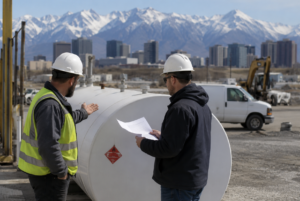
Why Salt Lake City Businesses Are Rethinking Fuel Tanks Before Their Next Big Project

Fuel Tanks Salt Lake City for Business News

For many companies in Salt Lake City, growth does not happen by accident. It comes from planning ahead, watching local development trends, managing costs, and making smart decisions before a project gets too far down the road. Whether a business is preparing for construction work, equipment expansion, transportation needs, backup power, or industrial operations, fuel storage is becoming a bigger part of the conversation.

Salt Lake City continues to be one of the most active business hubs in the Mountain West. With ongoing construction, commercial expansion, infrastructure needs, and a strong local economy, businesses are looking more carefully at the systems that keep their projects moving. One of those systems is fuel storage. It may not always be the first thing owners think about, but when fuel access becomes a problem, everything else can slow down fast. 🛢️

That is why more companies are taking a closer look at fuel tanks before their next major project begins. A reliable fuel tank setup can help businesses reduce downtime, improve planning, support jobsite efficiency, and avoid costly interruptions. For businesses looking for dependable options, Fuel Tanks Salt Lake City is becoming an important search for companies that want to be prepared before demand increases.

Salt Lake City Business Growth Is Changing How Companies Plan

Salt Lake City has long been known as a regional center for commerce, transportation, construction, technology, and energy-related activity. According to Wikipedia’s overview of Salt Lake City, the city has grown into an important economic and cultural center in Utah and the surrounding region. That growth creates opportunities, but it also creates pressure on local businesses to manage resources more efficiently.

When more development is happening, businesses must think beyond the basics. A construction company may need fuel for heavy equipment. A transportation company may need on-site storage for fleet operations. A commercial property owner may need emergency fuel capacity for backup generators. A contractor may need dependable fuel access in areas where deliveries can be delayed or schedules are tight.

This is where fuel tanks become more than just storage containers. They become part of a company’s operational strategy. If the project depends on machinery, vehicles, generators, or temporary power, fuel planning should happen early. Waiting until the project is already underway can lead to delays, rushed decisions, higher costs, and unnecessary stress.

Local business owners who follow resources like Utah Business understand that staying competitive often means looking ahead. Fuel storage is one of those practical details that may not make headlines every day, but it can have a major impact on project success.

Fuel Access Can Directly Affect Project Timelines

Every business owner knows that delays cost money. In construction, manufacturing, logistics, agriculture, and commercial development, one delay can create a chain reaction. Crews wait. Equipment sits unused. Schedules get pushed back. Clients get frustrated. Costs rise.

Fuel availability plays a direct role in that equation. If equipment cannot run, the project cannot move forward. If trucks cannot be fueled on time, deliveries may fall behind. If backup power is needed and the fuel supply is not ready, a business may face disruption at the worst possible moment.

Reliable fuel tanks help reduce that risk. They allow businesses to keep fuel available where and when it is needed. Instead of relying completely on last-minute deliveries or off-site fueling, businesses can create a more controlled system. This is especially useful for projects with demanding schedules or remote jobsite needs.

The Salt Lake Chamber works closely with Utah’s business community and emphasizes the importance of supporting business success and community prosperity. For local companies, that kind of success often comes down to preparation. Having the right fuel storage setup is one way businesses can prepare for growth while protecting daily operations.

The Right Fuel Tank Supports Safety and Compliance

Fuel storage is not something businesses should treat casually. Fuel must be stored properly, handled carefully, and managed with safety in mind. The right tank can help protect workers, equipment, property, and the surrounding environment.

Businesses need to consider tank size, placement, access, containment, material, fuel type, and local requirements. A tank that works for one business may not be the right fit for another. A small company with occasional equipment fueling needs may require a different solution than a large operation running multiple machines or vehicles every day.

Safety planning also helps protect a company’s reputation. A poorly planned fuel storage setup can create avoidable risks. Leaks, spills, poor access, or improper placement can lead to expensive problems. In a city where business activity and development are closely watched by local media and community organizations, companies benefit from making responsible decisions from the beginning.

Business owners who keep up with local updates through sources like The Salt Lake Tribune business section know that public trust matters. A company that plans responsibly is in a better position to build credibility with customers, partners, employees, and the community.

On-Site Fuel Storage Can Improve Efficiency

Efficiency is one of the biggest reasons Salt Lake City businesses are rethinking fuel tanks. When fuel is stored properly on-site, teams can spend less time traveling for fuel and more time doing the work that generates revenue.

For contractors, this can mean fewer interruptions during the workday. For fleet-based businesses, it can mean better control over fueling schedules. For industrial operations, it can mean a more dependable supply for equipment. For businesses using generators, it can mean faster response during outages or emergency situations.

The benefit is not just convenience. It is productivity. Every trip to refuel off-site takes time. Every delay caused by fuel shortages reduces output. Every hour of downtime creates cost. A well-planned fuel tank system can help reduce those hidden losses.

This matters in a competitive business environment. The Deseret News business section regularly covers business developments throughout Utah, showing how active and competitive the state’s business landscape continues to be. Companies that want to compete need practical systems that support faster, smoother operations.

Fuel Tanks Help Businesses Prepare for Emergency Power Needs

Fuel tanks are not only useful for construction and equipment. They are also important for emergency planning. Many businesses rely on backup generators to protect operations during outages. But a generator is only useful if there is enough fuel available when it is needed.

For offices, warehouses, medical-related facilities, data operations, food storage businesses, and other commercial properties, power interruptions can create serious problems. Refrigeration can fail. Security systems can go down. Communication systems can be interrupted. Employees may be unable to work. Customers may be affected.

A properly planned fuel storage solution supports emergency readiness. It gives businesses more control during unexpected situations and helps reduce the risk of being caught unprepared.

Local economic planning resources, such as the Salt Lake Chamber’s Roadmap to Prosperity Dashboard, show how closely business leaders watch Utah’s economic conditions. While economic growth brings opportunity, it also makes resilience more important. Fuel storage can be part of that resilience strategy.

Businesses Are Looking at Long-Term Cost Control

Fuel prices, delivery schedules, project timelines, and operating costs can all affect profitability. While a fuel tank is an upfront investment, many businesses look at it as part of long-term cost control.

Having access to on-site fuel may help companies reduce wasted labor time, limit unnecessary travel, improve scheduling, and avoid emergency fuel delivery issues. It may also help businesses plan fuel usage more carefully. When fuel is tracked and managed properly, owners can better understand consumption patterns and make smarter purchasing decisions.

This is especially important for businesses with repeated fuel needs. A company that only needs fuel occasionally may have one set of priorities. A company running equipment daily may have another. Either way, the key is choosing a solution that fits the business rather than guessing.

The Salt Lake City Department of Economic Development highlights local business growth, investment, and development activity. As the city continues to attract and support business activity, companies that plan infrastructure carefully may be better positioned to handle growth without unnecessary setbacks.

Fuel Tank Planning Should Happen Early

One of the biggest mistakes businesses make is waiting too long to think about fuel storage. By the time a project is already active, decisions may become rushed. The tank may need to be ordered quickly. Placement may not be ideal. Delivery schedules may be tight. The business may end up choosing a short-term fix instead of the right long-term solution.

Early planning gives business owners more control. It allows time to evaluate the project, estimate fuel needs, consider site layout, review safety concerns, and select the proper tank size and type. It also helps teams coordinate fuel storage with other parts of the project, including equipment staging, vehicle access, generator placement, and workflow.

For Salt Lake City businesses, this kind of planning can make a major difference. The local market is active, and projects can move quickly. A fuel storage decision made early may prevent problems later.

The Right Fuel Tank Is a Business Decision, Not Just an Equipment Purchase

A fuel tank may look like a simple piece of equipment, but for many businesses, it supports something much bigger. It supports uptime. It supports safety. It supports emergency planning. It supports productivity. It supports the ability to keep moving when schedules are tight and expectations are high.

That is why businesses should not choose a fuel tank based only on price. They should consider quality, capacity, durability, placement, service, delivery, and long-term use. A cheaper option that creates problems later may cost far more than a better solution chosen at the beginning.

For companies preparing for major projects in Salt Lake City, fuel storage deserves a serious look. The right decision can help keep equipment running, crews productive, and operations protected.

Conclusion

Salt Lake City businesses are rethinking fuel tanks because they understand that growth requires preparation. As the city continues to develop and local companies take on larger projects, dependable fuel access is becoming more important. Whether the need is construction, fleet support, emergency power, equipment fueling, or long-term operational efficiency, fuel storage can directly affect performance.

A well-planned fuel tank setup helps businesses reduce downtime, improve safety, manage costs, and prepare for unexpected challenges. It is not just about storing fuel. It is about protecting the project, the schedule, the people, and the business itself.

Before the next big project begins, Salt Lake City businesses should take time to evaluate their fuel storage needs. The companies that plan ahead are often the ones that avoid the most expensive surprises later.