
How to Start a Denver Cabinet Painting Business That Stands Out and Succeeds šŸŽØ

Business News for Cabinet Painting

Starting a cabinet painting business in Denver is a smart move—especially as more homeowners and property managers look for budget-friendly ways to modernize their interiors without the cost of full renovations. Cabinet painting offers high profit margins, creative freedom, and the ability to work with both residential and commercial clients. But like any business, success in the Denver market takes more than just a paintbrush and ambition.

With its growing housing market, bustling renovation scene, and environmentally conscious homeowners, Denver provides fertile ground for tradespeople and entrepreneurs alike. In this blog, we’ll walk you through everything you need to know to start your own Denver cabinet painting business—from licensing and legalities to marketing and mastering the craft. This isn’t just about launching a painting service; it’s about building a brand that people trust and recommend.


1. Understand the Market in Denver šŸ™ļø

Before you pick up a roller, get clear on who your customers are and what they want. The Denver Metro area includes a mix of historic homes, modern condos, and suburban developments. Many homeowners prefer refinishing or painting existing cabinets over replacing them entirely—a cost-effective and eco-friendly choice.

Key Market Trends:

  • Sustainability and eco-conscious services are in demand.

  • Many customers prefer low-VOC paints for indoor projects (EPA Guidelines on VOCs).

  • The real estate market is hot, which means more staging, flipping, and updating interiors before sales.

  • DIY culture is big, but customers often realize halfway through they need professional help.

Take time to research competitors, check out reviews on Google and Yelp, and visit local hardware stores or Sherwin-Williams branches to see what products are flying off the shelves.


2. Build Your Skill Set (or Refine It) šŸ› ļø

Painting cabinets requires a different level of precision than rolling walls. If you’re not already a skilled painter, you’ll need to practice and refine your technique. Even experienced painters should adapt to cabinetry, which involves:

  • Proper cleaning and degreasing

  • Sanding and prepping for adhesion

  • Using HVLP sprayers or fine finish rollers/brushes

  • Understanding paint and primer systems for wood, MDF, and laminate

Consider Getting Certified:

While not required, certifications boost credibility. Check out courses and training from:

Denver also offers local workshops, like through Home Builders Association of Metro Denver or community colleges.


3. Set Up the Legal Foundation 🧾

To operate a cabinet painting business legally in Denver, you’ll need to complete several steps:

Business Structure

Decide on a business type:

  • Sole Proprietor: Easiest and cheapest to start

  • LLC: Offers legal protection and tax benefits

  • S-Corp or C-Corp: Consider only as your business grows

Set this up through the Colorado Secretary of State’s Business Portal.

Licensing

  • You don’t need a general contractor’s license for residential painting in Denver.

  • However, check with local municipalities, especially if you’re working in surrounding areas like Aurora, Lakewood, or Westminster.

  • Register for a Colorado sales tax license (Colorado Department of Revenue) if you’re charging tax on products or reselling materials.

Insurance

Don’t skip this! You’ll need:

  • General Liability Insurance

  • Tools & Equipment Insurance

  • Commercial Auto Insurance (if you’re driving a work van)

For workers:

  • If you plan to hire, you must carry workers’ compensation insurance in Colorado.


4. Gather the Right Tools and Supplies 🧰

You don’t need to break the bank at first—but investing in quality tools is non-negotiable for cabinet painting. Here’s a basic list:

Tools:

  • HVLP paint sprayer (Graco or Wagner are reliable brands)

  • Drop cloths and masking tools

  • Painter’s tape and masking paper/plastic

  • Orbital sander and sanding pads

  • Respirator or mask (especially for spraying)

Materials:

  • Degreasers like Krud Kutter

  • Bonding primer (ex: INSL-X Stix)

  • Cabinet-grade paint (Benjamin Moore Advance or Sherwin-Williams Emerald Urethane Trim Enamel)

  • Wood filler and caulking for imperfections

Pro tip: Build relationships with local paint stores. Many offer contractor pricing, early payment discounts, and training sessions.


5. Set Pricing and Create Packages šŸ’°

Cabinet painting pricing varies depending on project size, condition, and finishes. On average, Denver-area painters charge $2,000–$5,000 for a standard kitchen.

Factors to consider:

  • Per door/drawer pricing

  • Prep level (bare wood, stained, painted)

  • Color changes (light to dark or vice versa)

  • Spray vs brush finish

Offer clear package options, such as:

  • Standard Finish: Clean, prime, 2 coats

  • Premium Finish: Includes fine sanding, enamel coats, hardware install

  • Add-ons: New hardware, inside cabinet painting, drawer boxes

Always get signed approval on estimates and contracts. Tools like Jobber, Housecall Pro, or Joist can streamline invoicing and client communications.


6. Create a Strong Brand Identity šŸ§‘ā€šŸŽØ

Denver is competitive. You need a distinctive name, look, and voice.

Essentials:

  • Business name and logo

  • Professional website with photos and contact form

  • Branded social media (Instagram, Facebook, Nextdoor, LinkedIn)

Make sure your website is mobile-optimized, and includes:

  • A gallery of before-and-after shots

  • Testimonials from happy clients

  • Google reviews feed

  • Clear service areas and contact info

Use tools like Canva to create visuals and Squarespace or Wix to build a site.


7. Start Marketing in Denver šŸ“£

Even with a great skill set and tools, your business needs visibility. Denverites search online for services, so SEO and local listings are vital.

Get Listed:

Local SEO Tips:

  • Use keywords like ā€œDenver cabinet paintingā€ or ā€œcabinet refinishing near meā€

  • Post photos and updates weekly on your Google profile

  • Encourage happy customers to leave reviews

Consider:

  • Running Facebook or Instagram ads targeting zip codes in your service area

  • Offering referral discounts

  • Partnering with real estate agents or interior designers

Don’t underestimate the power of door hangers, local flyers, or booths at Denver home shows!


8. Deliver 5-Star Service ⭐

Your reputation will build or break your business. Provide:

  • Transparent communication

  • Clean, respectful service

  • On-time scheduling

  • Clear timelines and expectations

Follow up with clients after projects to ensure satisfaction and ask for reviews. Send thank-you notes or branded gifts—it builds loyalty.


9. Grow Smart: Hiring and Expansion šŸ“ˆ

Once you’re booked out, consider:

  • Hiring skilled helpers or subcontractors

  • Training your team to match your quality

  • Offering related services like wall painting, cabinet hardware installation, or furniture painting

Track income and expenses using tools like QuickBooks or Wave, and meet with a local accountant (check with the Denver Metro Chamber of Commerce for small business support).


Conclusion: Build a Cabinet Painting Business You’re Proud Of ā¤ļø

Starting a Denver cabinet painting business isn’t just a job—it’s a creative, hands-on opportunity to help people fall in love with their homes again. From Wash Park to Westminster, homeowners are looking for trusted professionals who can deliver quality work at fair prices. If you combine craftsmanship, marketing savvy, and a great customer experience, you’ll not only make money—you’ll build a business with a reputation that spreads like wildfire šŸ”„.

Don’t wait for the perfect moment—take the first step today. Whether it’s registering your LLC or practicing your spraying technique, every small action builds momentum. You’ve got this.


Helpful Resources:

Let your brush do the talking—and let your business speak volumes. šŸŽØšŸ’¼

🌳 Branching Out: How Arborists Can Grow Their Business and Thrive in a Competitive Market

Business News for Arborists

As the demand for sustainable landscaping, urban forestry, and property value enhancement grows, so too does the opportunity for professional arborists to scale their businesses. But it takes more than a chainsaw and certification to build a thriving tree care company. With shifting consumer expectations, advances in technology, and evolving environmental regulations, arborists who want to stand out must embrace smart strategies, innovative marketing, and customer-focused services.

In this comprehensive guide, we’ll cover exactly how arborists can grow their business — from refining service offerings and improving customer experience to leveraging digital marketing, building community relationships, and adopting cutting-edge tools. 🌱


🌿 The Importance of Strategic Growth in the Arborist Industry

Tree care isn’t just about trimming branches. It’s about safeguarding property, improving aesthetics, enhancing ecosystems, and even protecting lives. Professional arborists have the expertise to identify tree health issues, prevent structural damage, and contribute to the long-term sustainability of green spaces.

But the industry is becoming increasingly competitive. According to the International Society of Arboriculture (ISA), the demand for certified arborists has grown steadily — and with it, so has the need for strategic business planning.

Whether you’re a solo operator or managing a growing crew, scaling your arborist business requires more than hard work. It requires smart work.


🌲 Step 1: Refine Your Services for Profitability and Demand

šŸŽÆ Identify High-Margin Services

Not all tree care jobs are created equal. Evaluate which of your services bring the highest return on time, equipment, and labor. For many arborists, this includes:

  • Tree risk assessments

  • Emergency storm cleanup

  • Stump grinding and removal

  • Cabling and bracing

  • Plant healthcare and fertilization plans

Niche services often command premium rates and position you as an expert rather than a generalist.

šŸ› ļø Expand Into New Revenue Streams

Once your core services are stable, consider branching into related areas such as:

  • Lot clearing for construction

  • Arborist consulting for municipalities or HOAs

  • Tree inventory and mapping services for commercial clients

  • Seasonal pruning contracts for property managers

Adding recurring or seasonal services can build predictable income.


šŸ“¢ Step 2: Strengthen Your Online Presence

In today’s digital-first world, your next customer is more likely to find you through Google than a flyer on a bulletin board.

šŸ–„ļø Build a Professional Website

Your website should function like a 24/7 salesperson. Include:

  • Clear list of services

  • Service area

  • Certifications (ISA, TCIA, state licenses)

  • Before-and-after photos

  • Customer reviews

  • Easy-to-use contact form

Mobile responsiveness is essential — more than 60% of online searches come from mobile devices according to Statista šŸ“±

šŸ“Use Local SEO to Rank for Searches Like ā€œCertified Arborist Near Meā€

Local search engine optimization (SEO) helps your business show up when people search for services in your area. Strategies include:

  • Creating and optimizing your Google Business Profile 🌐

  • Using location-specific keywords like ā€œTree Removal in Dallasā€ or ā€œTree Trimming Sarasotaā€

  • Earning backlinks from local blogs, news outlets, or community pages

Regularly post blogs, seasonal tips, or FAQs to boost authority and visibility.


šŸ“² Step 3: Leverage Social Media to Educate and Engage

Social media might feel like a chore, but it’s a goldmine for client trust and brand awareness.

šŸŽ„ Post Before-and-Afters and Time-Lapses

Visual proof of your expertise builds credibility. Use Instagram or Facebook Reels to show tree removal, disease diagnosis, or pruning transformations.

🌳 Educate Your Audience

Become the ā€œgo-toā€ tree expert in your area by posting:

  • Seasonal tree care tips

  • Signs of disease or infestation

  • Tree preservation techniques

  • Fun facts about native species

The Arbor Day Foundation offers free educational content that can be repurposed for your audience.

šŸŽÆ Run Targeted Local Ads

Facebook and Instagram allow you to run ads to people in a specific radius. Promote a spring pruning special or storm prep service in advance of weather changes.


šŸ’¬ Step 4: Boost Word-of-Mouth and Referrals

Even in a digital age, referrals remain one of the most powerful growth tools — especially in local service industries.

🌟 Ask for Reviews After Every Job

Satisfied customers are often happy to help — they just need a reminder. Make it easy by sending a follow-up text or email with a direct review link.

Focus on platforms like:

  • Google

  • Facebook

  • Nextdoor

  • Yelp (if applicable in your area)

šŸ‘·šŸ½ā€ā™‚ļø Create a Referral Program

Offer existing customers a small discount or gift card when they refer a new paying client. You can also extend this to realtors, landscapers, or home inspectors who refer you.


šŸ¤ Step 5: Build Strategic Partnerships

Think of your business like part of a local ecosystem. Who else serves the same customer base?

🌼 Partner With Landscapers and Lawn Care Companies

Landscapers often get asked about tree work they don’t perform. By building referral relationships (and returning the favor), you both win.

šŸ—ļø Network With Construction and Property Managers

These professionals constantly need reliable arborists for:

  • Lot clearing

  • Tree preservation during construction

  • Municipal compliance

  • Property beautification

Join local networking groups or attend industry events to connect.

šŸ˜ļø Join Community Associations

Many HOAs or business parks require routine tree care and maintenance. Getting on their preferred vendor list can lead to long-term contracts.


āš™ļø Step 6: Invest in Equipment and Software Wisely

Growth comes easier when you have the right tools.

🪚 Upgrade Equipment to Increase Efficiency

Newer tools can:

  • Cut job time in half

  • Reduce fuel costs

  • Improve safety

  • Allow for specialized work (e.g., aerial lift vs. climbing)

But don’t buy blindly. Use Section 179 tax deductions to write off business equipment investments and spread cost over time.

šŸ’» Use Business Management Software

Software tools like Arborgold or Jobber help you:

  • Schedule jobs

  • Track quotes and invoices

  • Manage crews in the field

  • Automate customer follow-ups

These tools also reduce stress and help you look more professional.


šŸ“š Step 7: Stay Certified and Continue Learning

Clients value knowledgeable professionals. In an industry where safety and accuracy are critical, continued education isn’t optional — it’s a differentiator.

🌱 Maintain ISA Certification

If you’re a Certified Arborist through the ISA, stay up to date with CEUs (continuing education units).

It signals to clients that you’re not just qualified — you’re committed.

🧠 Attend Workshops and Conferences

Events like TCIA EXPO or local forestry association seminars offer:

  • New techniques

  • Equipment demos

  • Business management sessions

  • Safety updates

They also let you network with peers and vendors who can support your growth.


šŸ”„ Bonus Growth Tips

  • Email Marketing: Send seasonal tree care reminders to past customers.

  • Truck Wraps: Turn your work vehicle into a rolling billboard 🚚

  • Google Ads: Run pay-per-click ads for high-value services like emergency removals

  • Offer Financing: Partner with services like Wisetack to let customers finance larger jobs


🌟 Conclusion: Grow Like a Mighty Oak 🌳

Growing a successful arborists business takes more than climbing trees — it takes climbing the ladder of innovation, visibility, and strategic service. From sharpening your digital tools to deepening your community roots, the strategies in this article can help you go from surviving to thriving.

It’s not about doing more — it’s about doing better. And just like the trees you care for, your business can stand tall, strong, and deeply rooted in success. šŸ’Ŗ

Now’s the time to branch out. 🌲


Tips on Starting a Hydrographic Survey DimCon Business

Business News for Hydrographic Survey

Starting a Hydrographic Survey DimCon business is more than just a technical endeavor—it’s an exciting opportunity to help industries that rely on accurate underwater and coastal data to make critical decisions. Whether it’s offshore construction, harbor maintenance, environmental conservation, oil and gas operations, or maritime navigation, hydrographic surveys form the foundation of safe and successful operations. Dimensional Control (DimCon) within this sector is particularly valuable, ensuring that precise 3D measurements are integrated into subsea structures, pipelines, and vessel positioning systems.

If you have a background in marine engineering, surveying, or geospatial technologies and want to turn your expertise into a thriving business, now is the perfect time. As industries increasingly demand precision, safety, and compliance with environmental regulations, hydrographic survey DimCon services are seeing a surge in value šŸ“ˆ. This article will guide you through actionable tips to help you start a successful Hydrographic Survey DimCon business.

Understand the Industry Landscape

Before launching your business, you need a thorough understanding of the hydrographic and dimensional control industries. Hydrographic surveying involves measuring and mapping underwater terrain. Dimensional control involves using precise instruments and techniques to ensure structural and positional accuracy. Combined, these services are critical in environments where water depth, seabed features, tides, and exact component placement matter—like offshore rigs or bridge foundations šŸŒ‰.

Organizations such as the International Hydrographic Organization (IHO) and the Hydrographic Society are excellent starting points for learning industry standards, technologies, and global initiatives. Reading technical papers from sources like Springer’s Journal of Marine Science and Engineering or NOAA’s Hydrographic Surveys Specifications will also strengthen your knowledge base.

Invest in the Right Education and Certifications

While practical experience is critical, formal training boosts your credibility. You or your key employees should pursue certifications in hydrography, land surveying, and CAD-based dimensional control. Here are a few to consider:

  • Hydrographic Surveyor Category A and B (offered by FIG/IHO/ICA)

  • AutoCAD/3D Laser Scanning Certifications

  • Offshore Survival and HSE Training (required by many offshore clients)

Also, consider business management courses so you’re equipped to run operations, lead a team, and handle finances effectively. Websites like Coursera or LinkedIn Learning offer flexible options šŸ“š.

Choose a Niche to Stand Out

You don’t need to do it all from day one. Instead, find a niche where you can excel and create a reputation. Here are some ideas:

  • Offshore wind farms šŸŒ¬ļø

  • Subsea pipeline DimCon inspections

  • Coastal dredging support

  • Marina and harbor development

  • Bridge and civil infrastructure construction

  • Environmental impact studies

Positioning yourself as an expert in one of these areas will help you attract clients looking for that specific experience.

Create a Business Plan with Real Numbers

Every strong business starts with a rock-solid plan. Your business plan should outline:

  • Your services – Will you offer multibeam sonar surveys? Dimensional verification? 3D as-built modeling?

  • Target clients – Private engineering firms? Governments? Oil and gas companies?

  • Pricing strategy – Will you charge hourly, by project, or via service contracts?

  • Startup costs – Include vessel rentals, survey equipment, software licenses, insurance, marketing, and payroll.

  • Projected income – Research market rates in your area and build realistic forecasts.

Use resources like SBA.gov or BPlans for business plan templates tailored to startups šŸ“.

Secure Your Legal and Business Framework

To operate legally and professionally, make sure you:

  • Register your business with the appropriate state or country authorities

  • Choose a business structure (LLC, corporation, etc.)

  • Obtain necessary business licenses

  • Carry liability and professional indemnity insurance

  • Draft client contracts that cover scope of work, payment terms, and dispute resolution

Consulting a maritime or construction attorney is recommended, especially if you plan to operate in high-liability environments like offshore platforms āš–ļø.

Invest in Equipment and Software

Hydrographic surveying and DimCon are hardware- and software-intensive. Expect to budget for:

  • Survey equipment: Multibeam and single-beam echosounders, side-scan sonar, RTK GPS/GNSS, motion sensors, tide gauges

  • Dimensional control tools: Total stations, 3D laser scanners, coordinate measuring arms

  • Software: Hypack, QPS QINSy, AutoCAD, MicroStation, Cyclone 3D, and project management software

Some vendors offer equipment rentals or lease-to-own options, helping reduce initial overhead costs. Stay up to date with manufacturers like Trimble, Leica Geosystems, and Teledyne Marine šŸ’».

Build Strategic Industry Relationships

Relationships will be your secret weapon. Start building connections early with:

  • General contractors and civil engineers – They’re often the decision-makers for hiring survey companies.

  • Marine equipment suppliers – Strong ties can help you access better rates or early tech.

  • Subcontractors – Forge alliances with divers, engineers, or CAD modelers you can call on for support.

  • Government agencies – Many public works projects require bidding or pre-qualification.

Attending conferences like Oceanology International or local Chamber of Commerce networking events will put your name in the right circles šŸ¤.

Hire the Right Talent

If you’re scaling beyond a one-person operation, hire people who are both technically capable and safety-conscious. Critical roles may include:

  • Hydrographers and DimCon Technicians

  • Vessel Operators or Marine Pilots

  • CAD Drafters and 3D Modelers

  • Project Managers

  • HSE Officers

Ensure your team holds up-to-date offshore survival and safety certifications, especially if working in oil and gas or remote marine locations 🦺.

Implement a Marketing Strategy That Builds Trust

In technical industries, trust and expertise are your marketing currency. Build a presence with:

  • A professionally designed website with service descriptions, case studies, and certifications

  • LinkedIn activity showcasing field photos, survey videos, and before-and-after project images

  • Search engine optimization (SEO) targeting commercial and government clients in your area

  • Email marketing to engineering firms and public agencies

  • Attending bid openings and submitting responses to RFPs

Client testimonials and visuals of your precision work (before/after models, sonar images, etc.) are particularly persuasive šŸŽÆ.

Prioritize Safety and Compliance

Hydrographic Survey DimCon work is often done in challenging environments, so safety must be non-negotiable. Regularly review and follow standards from:

Also, be prepared to conduct environmental impact assessments and ensure proper waste management protocols are followed when operating vessels šŸ›„ļø.

Use Project Management Systems from the Start

As you grow, project complexity will increase. Start with systems that can handle:

  • Proposal and bid tracking

  • Fieldwork scheduling

  • Quality control

  • Data handoffs to clients

  • Equipment calibration logs

Tools like Procore, Smartsheet, or Trimble ProjectSight can help you streamline operations and deliver on time and on budget ā±ļø.

Offer 3D Deliverables That Impress

Clients want more than just raw numbers—they want clarity. Your deliverables should include:

  • 3D CAD Models of subsea assets, docks, or dredge profiles

  • Bathymetric charts with color grading for depth

  • Deviation reports showing variances from as-built conditions

  • Tide and current analysis reports

These assets can be provided as downloadable PDFs, CAD files, and even web-based 3D viewers for tech-savvy clients 🌐.

Start Small, But Think Big

You may begin your operations by serving local dock expansions or municipal stormwater outflows, but the future is wide open. With your skills in DimCon and underwater surveying, you could expand into:

  • Offshore energy (wind, oil, hydrogen)

  • International marine construction projects

  • Deepwater port development

  • Coastal erosion mitigation and research

  • Scientific exploration

Stay curious and adaptable, and reinvest profits into better tech, better people, and smarter growth šŸš€.

Conclusion

Launching a Hydrographic Survey DimCon business takes serious planning, technical knowledge, and a commitment to precision. But if you take the time to understand your niche, invest in the right tools and people, and market yourself with credibility and clarity, you can build a profitable and meaningful company that supports global infrastructure, maritime safety, and environmental responsibility.

From measuring underwater topography to guiding massive offshore structures into place with sub-millimeter accuracy, your work matters more than ever. šŸŒ

When you’re ready to take the plunge and make waves in this high-demand industry. With solutions that are trusted by professionals across dimensional control and bulk material handling, they’re ready to help you build the foundation of a business that lasts.

šŸ’” Ready to get started? Precision begins with preparation. Let your first step be the smartest one.

šŸ’§ How to Start a Water Mitigation Business in Naples, Florida: A Complete Guide to Profit, Permits, and Purpose

Business News for Water Mitigation

Starting a water mitigation business in Naples, Florida, can be both fulfilling and profitable. Facing coastal flooding, hurricanes, heavy rains, and burst pipes, residents and commercial properties often require urgent water extraction and structural drying. With growing demand and rising awareness of property insurance impacts, this field is ripe for motivated entrepreneurs. But where do you begin? What legal steps are needed? How do you stand out in a competitive local market?

This guide walks you step‑by‑step—from licensing and certifications to setting up operations, building partnerships, marketing smartly in Naples, and sustaining long‑term growth. Dive in! 🌓


1. Understand the Market & Competition

Naples’ water mitigation industry is bustling:

šŸ Demand drivers in Naples include:

  • Seasonal storms and hurricanes

  • Aging municipal infrastructure

  • Property insurance incentives for mitigating claims

  • High-value residential flood risk

Understanding where current providers excel — and where they leave gaps — helps define your niche and value proposition.


2. Licensing & Certification Requirements in Florida

āœ… Contractor’s License & Scope

āž”ļø If you’re only extracting water and drying structures, a contractor’s license isn’t legally required. But expanding into mold, restoration, or building repairs? You’ll need proper licensing.


šŸŽ“ Certifications Matter

Even without legal mandates, professional certifications are crucial for trust and insurer collaboration:


3. Set Up Legal & Business Foundations

šŸ› Business Setup

🧾 Permits & Environmental Rules


4. Equip Your Business

🚚 Essential Gear

  • Industrial water extractors (truck-mounted or portable)

  • Commercial air movers and low-grain refrigerant (LGR) dehumidifiers

  • Moisture meters & thermal cameras (like FLIR)

  • HEPA air scrubbers for microbial control

  • PPE gear – gloves, respirators, Tyvek suits

  • Antimicrobial and disinfectant chemicals approved by EPA

šŸ‘· Staffing & Training

  • Hire certified IICRC technicians with background checks and restoration experience.

  • Use OSHA 10/30-hour training to ensure a safe and legal job site.

  • Schedule continuing education to stay current with tools, compliance, and best practices.


5. Operations & Workflow

  1. 24/7 Emergency Dispatch
    Set up a call-forwarding hotline or an answering service with emergency protocols.

  2. Moisture Inspection & Reporting
    Document conditions using thermal cameras, moisture logs, and photo/video backups.

  3. Water Extraction & Structural Drying
    Execute a drying plan using IICRC standards, verified with daily monitoring.

  4. Sanitization & Odor Control
    Use foggers or hydroxyl generators for decontamination and odor removal.

  5. Insurance Liaison
    Collaborate with insurers and submit reports formatted to industry claim standards.


6. Marketing Strategically in Naples

šŸ’» Build Trust with Homeowners and Businesses

  • Offer free site inspections and water damage consultations.

  • Publish Google reviews, video testimonials, and before/after transformations.

  • Add trust badges on your website: IICRC, DBPR License, Florida Mold Remediator.

šŸ“± Online & Local Presence

  • Use SEO and Google Ads to rank for keywords like ā€œNaples water damage,ā€ ā€œemergency flood cleanup Naples,ā€ and ā€œwater mitigation near me.ā€

  • Set up a Google Business Profile and optimize for map pack placement.

  • Claim listings on Yelp, Angi, and Thumbtack.

šŸ¤ Partner with Local Pros

  • Build referral relationships with real estate agents, home inspectors, plumbers, and roofers.

  • Create vendor accounts with property management firms and HOA boards.


7. Pricing & Financial Planning

šŸ’µ Typical Rate Structures

  • Water mitigation often bills per square foot, e.g., $3–$6 per ft².

  • Drying equipment: $100–$200/day per unit depending on power and runtime.

  • Optional add-ons: odor control, mold testing, crawl space drying.

šŸ“Š Cash Flow Tips

  • Use invoice factoring or lines of credit for slow-paying insurance claims.

  • Maintain at least three months’ operating reserves — storm season gets hectic fast.

  • Offer discounts for upfront pay (especially for realtors and contractors).


8. Add Value Through Differentiation

  • Offer eco-friendly cleaning and chemical-free deodorizers.

  • Provide education through seasonal prep checklists and storm guides.

  • Add specialty services like crawl space encapsulation and HVAC moisture control.

  • Use thermal drone scans for commercial buildings.


9. Risk Management & Scaling

  • Protect yourself legally with signed contracts and hold harmless agreements.

  • Join professional groups like the Restoration Industry Association (RIA) and IICRC.

  • Expand geographically into Fort Myers, Estero, Bonita Springs, or Cape Coral.

  • Consider turning your brand into a franchise model over 5–10 years.


šŸ Conclusion

Building a successful water mitigation Naples Florida business, takes more than pumps and fans. It demands discipline, trust, compliance, and care. The good news? Naples is a high-opportunity market. With the right foundation—business registration, equipment, certifications, and smart partnerships—you can be the go-to expert when disaster strikes.

Whether you’re driven by profit, passion, or purpose, water mitigation is a business that restores more than structures—it restores peace of mind. šŸ’™

If you’re ready to start but want support with marketing, licensing, or digital setup, don’t hesitate to reach out. There’s a powerful future waiting for those who are prepared to step in when the storm rolls out.

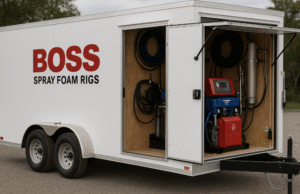
Why Every Home Improvement Business Should Invest in a Boss Spray Foam Rig

Business News for Boss Spray Foam Rig

In the fiercely competitive world of home‑improvement and insulation businesses, the right tools don’t just help you keep up—they help you stand out. Investing in advanced, efficient machinery can significantly elevate a contractor’s service offerings, boost profitability, and establish your reputation for excellence. Among these critical investments, a Boss Spray Foam Rig stands out as a powerful asset. Spray foam insulation has become increasingly popular thanks to its energy-saving properties, air-sealing capacity, and durability. For businesses specializing in insulation, roofing, or related retrofit services, having a dedicated spray foam rig can be a total game-changer.

Why? Because spray foam is both a premium offering and a technical service requiring proper equipment. General contractors that already dabble in insulation can now offer spray foam; insulation-specialists can extend into roof coatings or remediation. The Boss Spray Foam Rig is purpose-built to streamline your operation and maximize ROI. As efficiency meets versatility, your business can grow in scale, quality, and profit trajectory.

In this article, we explore why purchasing a Boss Spray Foam Rig for your home-improvement business is a shrewd strategic move—detailing its business benefits, performance advantages, and market potential.


1. šŸ’ø Boosting Profit Margins and Revenue Streams

1.1 Premium Pricing = Greater Profit

Spray foam insulation isn’t a commodity—it’s a specialized service commanding premium pricing. Customers understand they’re paying for superior insulation performance, air-sealing properties, and long-term energy savings. That translates to significantly higher per-job revenue compared to basic fiberglass or cellulose insulation. According to the U.S. Department of Energy, homes insulated with spray foam often experience 20–50% reductions in energy consumption. That kind of ROI supports premium pricing—and customers are willing to pay when they get real energy savings.

A Boss rig enables high-volume sales: whether you’re insulating attics, crawlspaces, rim joists, or exterior walls, the capacity to deploy large line sets translates into seamless project delivery and client satisfaction. Higher volume = more revenue overall; more jobs done per day = more revenue per crew and per month.

1.2 Diversifying Services and Winning Contracts

Owning a Boss Spray Foam Rig means you no longer depend on subcontractors to perform spray foam work. That independence empowers you to:

  • Offer spray foam in bidding packages, making your proposals more competitive.

  • Win retrofit and retrofit-insurance jobs that require spray foam air-sealing.

  • Bundle services: e.g., insulation + air leakage sealing + moisture mitigation.

Voice-of-customer feedback consistently highlights convenience and cost-savings when one trusted company handles multiple services. That significantly boosts bid win-rates and opens the door to higher-margin combinations like roof coating prep or fire-restoration foam sealing.


2. āš™ļø Rig Design + Performance: Engineered for Efficiency

2.1 Industrial-Grade Components

The Boss Spray Foam Rig is engineered specifically for contractors who demand consistency and reliability. Typical rigs feature:

  • Dual heated proportioners: ensure the A-side and B-side resin components are heated evenly—critical for optimal foam quality.

  • High-output spray guns: speeds up coverage and reduces manual fatigue.

  • Large per-hour output: reduced job-time = more jobs per week.

Boss rigs often include features like multi-zone heating, on-board generator, integrated hose reels, and monitoring systems to track usage and performance. All translate into fewer breakdowns, cleaner foam, and more uptime.

2.2 Portability and Adaptability

Boss rigs are designed to be mounted in trucks or trailers, offering:

  • Route-friendly access: maneuver through suburban jobs, commercial complexes, multifamily properties.

  • Self-reliant operation: power output, air conditioning, and hose systems all built into the package.

  • Expandable capabilities: add-ons for flame retardant foam, reflective roof coatings, or cementitious sprays.

This means one investment can support multiple service verticals—a hallmark of strategic business scalability.


3. šŸ› ļø Operational Advantages: Speed, Quality & Safety

3.1 Faster Turnaround = Reduced Labor Costs

Spraying spray foam manually or with rented equipment is slow and susceptible to heating or pressure issues. A Boss rig keeps materials at the correct temperature and spray pressure, so you get consistent foam output job after job. That translates into:

  • Less on-site rework due to pinholes, voids, or inconsistent spray texture.

  • Faster application speed, reducing labor hours—every hour saved is profit.

  • Optimal yield: proper mixing ensures foam expands as designed, not wasted in overspray.

3.2 Superior Foam Quality = Better Performance

Research from the Department of Energy shows spray foam achieves notable thermal resistance, sealing ability, and moisture control—so long as it’s applied correctly. A Boss rig ensures:

  • Exact A/B chemical ratio, avoiding weak foam or brittle over-cure.

  • Correct temperature levels to preserve foam integrity and lifespan.

  • Controlled spray pattern, enabling professionals to create even, solid insulation layers.

This delivers an end result—tight, energy-efficient homes—that customers love, trust, and recommend.

3.3 Safety First: Proper Ventilation & Controls

Health and safety are crucial. Boss rigs are engineered with:

  • Automatic pressure shut-off in case of hose rupture.

  • On-board ventilation to manage vapors.

  • Built-in control monitors to detect and correct sub-optimal conditions before application.

These features minimize workplace risk, reduce liability exposure, and make compliance with OSHA protocols achievable.


4. šŸ“ˆ Business Growth: Scalability & Competitive Edge

4.1 Volume Equals Value

When you own the rig, every subsequent foam job adds pure value—your upfront investment is a sunk cost, so every dollar from new contracts goes straight to profit. Assuming you perform, say, 50–100 foam jobs per year, ROI on a Boss rig (mid- to high‑five figures) is often realized within 12–18 months.

Some contractors report ROI in under a year after factoring in:

  1. Incremental revenue from higher-margin foam jobs

  2. Reduced subcontractor bills

  3. Faster turnaround, enabling more concurrent jobs

4.2 Differentiation in Local Markets

Some markets are saturated with fiberglass or cellulose specialists—but few offer dedicated spray foam services with professional-grade equipment. Owning a Boss rig means:

  • Premium branding as a niche insulation expert

  • Preferred status with wholesale chemical suppliers

  • Exclusive bidding for commercial, retrofit, or government energy-efficiency projects

Plus, you can train additional crews under your brand—the network effect kicks in quickly.


5. šŸ”§ Maintenance and Downtime: What to Expect

Quality machinery does require attention. Boss rigs are built for the field, but contractors should prepare for:

  • Daily warm‑up and cool‑down routines to avoid chemical residue buildup.

  • Quarterly maintenance, including filter changes, hose inspection, and heat-trace testing.

  • Annual calibration: verifying A/B mix ratios and spray gun performance.

Many foam suppliers also offer training and support programs when you register your rig. Investing in maintenance pays dividends in reliability and long-term foam quality.


6. 🧱 Case Study Examples

Case Example: Mid‑Atlantic Insulation Contractor

A company in Pennsylvania upgraded to a Boss rig in 2023. Within six months, they:

  • Won 15 new retrofit contracts that demanded spray foam

  • Increased average job value by 35%

  • Recovered ~70% of the rig’s purchase cost

They reported one standout quote from a homeowner:

ā€œOur energy bills dropped by 40% in the first winter!ā€

Case Example: Florida Restoration Team

A hurricane-restoration business in Florida added a Boss rig and marketed spray foam as mold- and moisture-resistant restoration. They now offer:

  • Flood-damage foam seal

  • Roof deck moisture insulation

  • Custom air-sealing retrofit

Annual revenue increased by $250k above projections.


7. šŸ“š Training and Industry Standards

National spray foam training bodies—like the Spray Polyurethane Foam Alliance (SPFA)—stress the importance of professional-grade equipment to:

  • Ensure ICFs and R‑value claims match specs

  • Comply with building codes (IRC, IBC)

  • Use foam safely with respect to ventilation, PPE, and chemical handling

Boss rigs are widely recognized among training centers for meeting or exceeding these standards. Instructors often prefer contractors to train on their own rigs.


8. šŸ’” Financing, Leasing, and Tax Benefits

8.1 Flexible Procurement Options

Boss rigs can be bought outright or leased with:

  • 0% financing for qualified buyers

  • Operating leases: preserving capital

  • Refurbished rigs: budget-friendly entry points

8.2 Tax Incentives and Depreciation

Equipment purchases are capital assets with accelerated depreciation. Thanks to Section 179 in the U.S. tax code, many contractors can write off up to $1 million of equipment in the year of purchase—improving cash flow and reducing tax liability.


9. šŸ“ž How to Choose the Right Boss Spray Foam Rig

9.1 Assess Your Need

  • Are you doing 10 jobs per month? Consider mid-size configurations.

  • Are you expanding into other chemical sprays (roof coatings, flame retardants)? Ensure your rig supports them.

  • Do you need truck-mounted vs. trailer-mounted rigging for jobsite accessibility?

9.2 Dealer Support and Warranty

A major benefit of going with a Boss rig is dealer network support across the U.S. Choose a dealer offering:

  • Warranty and parts availability

  • On-site operator training

  • Technical hotline support

9.3 Accessories and Retrofit

Common accessories include:

  • Remote hose reels

  • Chemical mixing tubs

  • Gun-mounted heaters

  • Foam density and temperature gauges

Your needs may evolve; pick a rig that lets you expand.


šŸ’¾ Authority & Resources

For further reading, here are some trusted, authoritative references:


šŸ”š Conclusion

Investing in a Boss Spray Foam Rig for sale is more than a purchase—it’s a strategic leap for any home‑improvement contractor aiming to:

  • Capture higher-value foam insulation projects

  • Streamline operations with quality equipment

  • Differentiate the brand as a top-tier energy-efficiency specialist

  • Achieve rapid ROI through increased margins and independence

  • Elevate service quality with superior foam performance

By embracing spray foam, you’re not just adding a service—you’re revolutionizing your business model. Whether you’re scaling retrofits, tackling commercial ceilings, or responding to restoration demand, a Boss rig positions your company at the forefront of efficiency, quality, and profitability.


āœ… Next Steps

  1. Evaluate your current service mix—how many potential spray foam jobs are you missing?

  2. Contact a local Boss dealer (a quick Google search will help) to schedule a demo.

  3. Plan your financing, including Section 179 if eligible.

  4. Schedule crew training—SPFA certification recommended.

  5. Promote your new service offering—highlight energy savings, carbon reduction, and tighter building envelopes to attract modern homeowners!

By completing these steps, you’ll be well on your way to building a profitable, differentiated, and future-proof home‑improvement business—powered by a Boss Spray Foam Rig. šŸ”„

Tips for Starting a Cannabis Cultivation Dispensary Construction Business

Business News for Dispensary Construction

The cannabis industry is booming—and it’s not just about what’s being grown, but where and how it’s being grown. As legalization spreads across states and countries, a new market has emerged at the intersection of cannabis and construction. If you’ve got a background in construction, project management, or design, starting a cannabis cultivation dispensary construction business could be one of the most strategic and lucrative moves you’ll ever make. šŸŒ±šŸ’¼

This isn’t just a typical general contracting opportunity. Cannabis facilities require precision, regulatory adherence, technological integration, and environmental controls beyond what’s expected in standard commercial builds. Whether you’re thinking about ground-up grow houses or renovating retail dispensaries, stepping into this niche requires business acumen, technical knowledge, and foresight.

In this article, we’ll walk you through strategic tips and considerations to launch your cannabis construction venture the right way—built to last, and built to grow. šŸ—ļøšŸŒæ


Understand the Cannabis Industry Landscape

Before you swing a hammer or hire a project manager, you need to grasp the unique dynamics of the cannabis industry. This is not a ā€œbuild it and they will comeā€ kind of market. The cannabis industry is fast-paced, highly regulated, and constantly evolving. Every state has different laws for cultivation and retail facilities. Federal regulations also continue to influence banking, insurance, and transportation logistics.

Here are essential ways to build industry-specific knowledge:

  • Study your state and local cannabis laws through government websites like NORML or NCIA.

  • Join industry associations such as the Cannabis Business Association or NCIA for networking and compliance updates.

  • Subscribe to cannabis construction publications and industry blogs like Cannabis Business Times or MG Magazine for project spotlights and evolving design standards.

Having this foundation helps you make informed decisions for design, build, and permitting processes—and positions your business as a serious partner, not just another contractor. šŸ§ šŸ“š


Establish Your Niche in Cannabis Construction

The term “cannabis construction” is broad. Do you want to specialize in cultivation facilities, dispensary interiors, greenhouses, distribution hubs, or full vertical integration design?

Here are the main facility types to consider:

  • Indoor Grow Facilities: Require HVAC, dehumidification, CO2 systems, lighting controls, and cleanroom standards.

  • Greenhouses: Focus on transparent or translucent structures, supplemental lighting, irrigation integration, and pest control.

  • Dispensaries: These are retail storefronts needing secure entry, product display, customer flow, and back-end processing.

  • Extraction Labs: Highly specialized spaces with gas lines, hazardous chemical storage, and explosion-proof build-outs.

Choosing your niche gives your company a competitive advantage and helps streamline equipment sourcing, subcontractor partnerships, and marketing. šŸ’”šŸ¢


Build a Team of Experts

You’re not just building walls—you’re helping operators create compliant, energy-efficient, and scalable operations. That takes a dream team.

Consider partnering with:

  • Licensed architects and engineers with cannabis facility experience

  • HVAC specialists who understand cleanroom-grade environments

  • Security system integrators who know cannabis security standards

  • Compliance consultants to ensure your builds align with local ordinances

  • Electrical and lighting professionals familiar with grow light setups and energy demands

Even better? If you can keep some of these experts in-house, you can offer an end-to-end solution, which is incredibly valuable to cannabis entrepreneurs. šŸ‘·ā€ā™‚ļøšŸ‘©ā€šŸ’¼


Get Licensed and Insured for the Cannabis Sector

Building a cultivation site or dispensary isn’t like building a nail salon. Many states require specific construction licensing for cannabis work, as well as strict insurance and bonding rules.

What you may need:

  • General contractor license (state-specific)

  • Cannabis-specific contractor endorsements (in some municipalities)

  • Workers’ comp and liability insurance tailored to cannabis job sites

  • Equipment insurance for high-value tools and temporary structures

Your clients are often under intense scrutiny by local regulators. If you aren’t licensed correctly, it could stall the whole project or lead to legal liability. Work with a construction attorney or compliance advisor to stay one step ahead. šŸ§¾šŸ”


Master the Art of Cannabis Facility Design

Cannabis isn’t just another tenant improvement gig. Everything from the wall materials to ceiling height has purpose. That means your business must be prepared to consult clients not only on construction—but also on best practices for layout, compliance, and efficiency.

Key considerations include:

  • Airflow and odor control: Using activated carbon filters and HEPA filtration

  • Lighting layout: Balancing natural light, grow lights, and energy costs

  • Drainage and water-proofing: Especially in hydroponic grows and extraction labs

  • Workflow optimization: Ensuring employees move efficiently while maintaining sanitation zones

  • ADA compliance and customer experience: For retail dispensaries, seamless customer flow is essential

By mastering cannabis-specific design, you become a problem-solver, not just a builder. That distinction makes you far more valuable and referable. šŸ§±šŸ’Ø


Source Materials and Partners with Cannabis in Mind

Some suppliers and subcontractors are still hesitant to work on cannabis projects. Others overcharge due to risk perception. Part of your job is building a reliable network of vendors and specialists who are cannabis-friendly and cost-effective.

Be intentional when sourcing:

  • Mold- and mildew-resistant materials

  • Light-reflective wall coatings

  • Odor-proof insulation

  • Reinforced doors and windows for security

  • Energy-efficient grow lighting and HVAC systems

For major electrical, security, or HVAC installs, consider creating preferred partnerships with vendors who’ve already worked on cannabis facilities. This cuts down on mistakes, saves time, and builds trust with your clients. šŸ¤āš™ļø


Plan for Project Management and Permitting Delays

Even in cannabis-friendly states, permitting for cultivation and dispensary construction can take 3x longer than typical projects. You’re often working with city councils and zoning boards unfamiliar with cannabis operations, leading to extra inspections, documentation, and approvals.

To stay on track:

  • Budget a longer timeline into your project schedule

  • Assign someone on your team to handle permitting full-time

  • Establish strong relationships with city planners and local code enforcement

  • Get clear documentation from clients about license status and operational plans

One of the most common ways cannabis construction projects fail is from unmet timelines and compliance issues. Stay proactive, not reactive. šŸ—“ļøšŸ“


Differentiate with Sustainable Cannabis Construction

With cannabis being a heavily energy- and water-intensive crop, there’s growing pressure on cultivators to go green. Sustainability is a powerful differentiator in cannabis construction.

Ways to offer green solutions:

  • Recommend LEED-certified building materials and practices

  • Integrate renewable energy systems like solar or geothermal

  • Design rainwater collection or graywater recycling systems

  • Help clients qualify for energy rebates or green building grants

Sustainability isn’t just good for the planet—it’s good business. Facilities that reduce energy costs have higher profit margins and lower long-term risk. šŸŒŽšŸŒž


Set Up Your Branding and Marketing as a Cannabis Construction Leader

The cannabis industry is full of contractors who think throwing ā€œcannabisā€ on their website is enough. Don’t be one of them. You need strong branding, targeted messaging, and proof of performance to stand out.

Here’s how:

  • Build a website with cannabis-specific case studies and images

  • Include terminology clients are searching for, such as “grow facility construction” or “dispensary build-out contractor”

  • Offer educational content such as blog posts, videos, and webinars

  • Optimize your online presence through SEO and Google Business listings

  • Get listed on cannabis business directories like Leafly Biz or Weedmaps

You should be the name cannabis entrepreneurs remember when it’s time to build. šŸ“£šŸ”Ø


Network Within the Cannabis Ecosystem

You’re not just in construction now—you’re in cannabis. That means you need to be at the trade shows, networking events, and B2B mixers where cannabis operators hang out.

Attend or exhibit at events like:

  • MJBizCon – The biggest cannabis business conference in the U.S.

  • NCIA Cannabis Business Summit

  • Local chamber of commerce cannabis business chapters

  • Online cannabis entrepreneurship forums and LinkedIn groups

These aren’t just marketing opportunities—they’re gold mines for referrals, partnerships, and ongoing education. šŸŒšŸ¤


Conclusion

Starting a cannabis cultivation dispensary construction business is not for the faint of heart—but for those with the grit, strategy, and passion, it’s an incredible opportunity to ride the wave of a booming industry. With tight regulations, high-quality standards, and major money at stake, cannabis businesses need more than builders—they need partners. šŸ”‘šŸ†

Position yourself as a specialist who understands both construction and cannabis, and you’ll earn trust, repeat business, and a reputation that spreads fast in this tight-knit industry. Stay compliant, stay connected, and most of all—stay committed to building the future of cannabis one facility at a time.

Ready to break ground? Then it’s time to blaze a trail. šŸš€šŸŒæ

Top Tips for Starting a Successful Polished Concrete Business 🧱✨

Business News for Polished Concrete

The polished concrete industry is one of the fastest-growing segments in the flooring and decorative construction market. From sleek industrial warehouses to high-end residential homes and modern hotels, polished concrete offers a durable, low-maintenance, and aesthetically pleasing flooring solution. If you’re considering launching a polished concrete business, now is a prime time to step into the industry. With demand booming across commercial, residential, and industrial sectors, starting your own polished concrete business can be a highly profitable venture—if you know how to do it right.

But like any business, it’s not as simple as just buying a grinder and getting started. There’s a learning curve, equipment investment, licensing, marketing, and competition to consider. In this guide, you’ll learn strategic tips to help you launch your polished concrete business on the right foot and keep it growing. šŸš€


Understand the Market Demand and Choose a Niche šŸŽÆ

Before you spend money on equipment or marketing, take the time to research your local and regional market. Are there more opportunities in commercial flooring, residential renovations, industrial facilities, or new construction?

The polished concrete industry serves multiple niches:

  • Commercial spaces like retail stores, showrooms, and offices

  • Industrial floors in warehouses and manufacturing plants

  • Residential interiors such as basements, garages, and open-concept living areas

  • Architectural finishes for schools, restaurants, and hospitality venues

Start with one or two niches that align with your strengths, location, and local competition. Specializing early can help you stand out while building your reputation. According to the Concrete Polishing Council (CPC), specialization often leads to faster market entry and higher client trust.


Invest in Quality Equipment and Tools šŸ”§

One of the biggest startup expenses for a polished concrete business is equipment. You’ll need commercial-grade tools to handle grinding, honing, densifying, and polishing surfaces. While it might be tempting to buy budget equipment, poor performance can lead to client dissatisfaction, longer job times, and higher maintenance costs.

Essential tools include:

  • Concrete grinders and polishers (planetary or rotary)

  • Vacuum systems for dust control (must meet OSHA silica standards)

  • Diamond tooling for different grit levels and polishing stages

  • Densifiers and sealers to harden and protect surfaces

  • Hand tools for edge work and detailing

Don’t forget to budget for maintenance supplies, replacement parts, and trailers for transport. Learn from resources like Concrete Decor Magazine to stay up to date on new tools and product innovations.


Get Certified and Stay Compliant 🧾

Although certification is not legally required in many areas, becoming a certified polished concrete contractor boosts your credibility and can help you win larger contracts. It also ensures you’re trained in best practices, OSHA safety standards, and surface preparation techniques.

Certifications to consider:

Also, make sure your business is properly licensed and insured. Most states require a contractor’s license, a business license, and liability coverage. Some may also require a bonding policy if you plan to bid on public or commercial jobs.


Build Relationships with Suppliers and Manufacturers šŸ¤

A good supplier can make or break your ability to deliver quality work on time. Partnering with trusted distributors ensures you have access to reliable materials, technical support, and consistent pricing.

Look for suppliers of:

  • Polishing equipment

  • Diamond abrasives

  • Epoxy and joint fillers

  • Sealants and protective coatings

  • Concrete hardeners and stains

Many manufacturers also offer training, business development support, and lead referrals. Companies like Prosoco and AmeriPolish are respected names in the industry and offer professional-grade products and education.


Perfect Your Craft Before You Go Public 🧪

Before launching your business full-time, practice on your own property, family members’ garages, or volunteer projects. Polished concrete is as much an art as a science. The surface preparation, moisture levels, grit progression, and application techniques all affect the outcome.

Mistakes in the early stages can lead to costly re-dos and lost referrals. Use this trial time to:

  • Test different finishes (matte, satin, gloss)

  • Try out various sealers and densifiers

  • Learn to recognize and resolve common surface issues

  • Build a small portfolio to showcase your work

Join forums like The Concrete Network to learn from seasoned pros and ask questions before you encounter costly problems on paid jobs.


Set Up a Strong Brand and Online Presence šŸ’»

In today’s competitive market, your online presence can be just as important as your technical skills. A strong brand builds trust and makes your business memorable.

Start with:

  • A professional logo and consistent brand colors

  • A mobile-optimized website with clear service descriptions, before/after photos, and client reviews

  • Local SEO setup including a Google Business Profile and directory listings

  • Social media pages (especially Facebook, Instagram, and LinkedIn)

  • Project showcase videos that highlight your polishing process and results

Use platforms like Houzz or HomeAdvisor to generate local leads and collect reviews. Consider investing in SEO services or Google Ads to boost visibility and attract your first few clients quickly.


Price Your Services Smartly and Profitably šŸ’°

Pricing polished concrete is complex and depends on the condition of the surface, size of the space, required finish, and customer expectations. If you underprice your services early on just to land work, you’ll struggle to cover costs and grow.

When building your pricing model:

  • Calculate cost per square foot based on your equipment use, labor, materials, and travel

  • Offer tiered pricing based on gloss level and complexity

  • Include minimum job charges to make small projects worthwhile

  • Be transparent with clients about the scope of work and expectations

You can charge more for decorative options like color dyes, logos, and unique aggregate exposure. Keep tabs on market averages through resources like HomeGuide and adjust your pricing as your reputation and demand grow.


Focus on Customer Service and Referrals šŸ“ž

Once you get those first few jobs, your reputation becomes your most valuable marketing tool. Polished concrete jobs often lead to additional work in other parts of a building, or referrals to friends and businesses.

Here’s how to wow your clients:

  • Arrive on time and communicate clearly

  • Keep job sites clean and safe

  • Set realistic expectations for surface imperfections

  • Offer maintenance tips and follow-up support

  • Request testimonials and permission to showcase their floors on your website and social media

According to Harvard Business Review, customers who have a positive experience are 3x more likely to recommend your services—and 4x more likely to buy from you again.


Network With Other Contractors and Industry Pros šŸ› ļø

Polished concrete is often one part of a larger project involving general contractors, designers, or commercial builders. By networking with others in construction and design, you can win more subcontracted work and larger commercial contracts.

Attend local trade shows, industry meetups, or events hosted by associations like:

Offer to give presentations to local builder groups, real estate offices, or interior design collectives. The more people know about your services, the more chances you’ll have to grow.


Continue Learning and Innovating šŸ“š

Technology and trends in polished concrete are always evolving. From lithium-silicate densifiers to new dye systems, clients are looking for professionals who stay up to date.

Set aside time to:

  • Attend annual trainings or refreshers

  • Subscribe to magazines like Concrete Construction

  • Follow manufacturers and influencers on YouTube and LinkedIn

  • Experiment with new decorative finishes or environmentally friendly materials

Expanding your services to include decorative concrete overlays, epoxy coatings, or concrete repair can open new revenue streams and keep your business competitive.


Conclusion

Starting a polished concrete business requires more than just tools and elbow grease. It takes strategy, dedication, technical know-how, and a commitment to customer service. But with the right approach, it can be an incredibly rewarding venture—both financially and personally.

This industry is full of opportunity, especially for those who bring craftsmanship and care to their work. By focusing on quality, building trust, and staying ahead of industry trends, your polished concrete business can stand out and scale for years to come. šŸ—ļøāœØ

If you’re ready to start strong and build a business that lasts, take these tips to heart—and keep learning, adapting, and pushing forward.

šŸ’” Need help building your brand, marketing your services, or optimizing your online presence? Reach out to a digital marketing partner who understands the trades and will walk with you every step of the way. Your polished concrete success story is just getting started!

How to Start a Surge Bins Business: A Complete Guide for Entrepreneurs

Business News for surge bins

Starting a business in the industrial equipment space may not be glamorous—but it is smart. Among the growing opportunities in this sector is launching a surge bins business, which plays a vital role in material handling, manufacturing, construction, plastics, and bulk solids industries. These unassuming metal or plastic bins help streamline production by managing flow, storage, and discharge of bulk materials, and they are in constant demand across multiple industries.

In this guide, we’ll walk you through how to start a surge bins business, from understanding what surge bins are and who needs them to planning operations, handling logistics, and scaling. Whether you’re a manufacturer, fabricator, or distributor looking to break into a niche with strong industrial potential, this is your step-by-step roadmap šŸ› ļø


What Are Surge Bins?

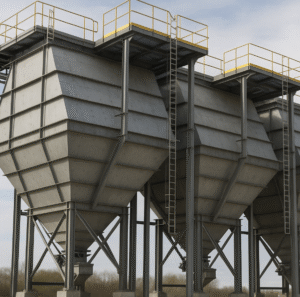
Surge bins are intermediate storage containers used to hold bulk materials—such as plastic pellets, sand, grain, or powders—before they are transported to the next phase of processing. They are often used in systems where the flow of materials must be temporarily halted or controlled without disrupting the entire production process.

Typical industries using surge bins include:

  • Plastics and resin manufacturing

  • Chemical processing

  • Food and beverage

  • Pharmaceuticals

  • Construction and mining

  • Agriculture

Surge bins differ from silos in scale and application. While silos are for long-term storage, surge bins are designed to buffer short-term material surges, ensuring continuous and controlled feed rates.

According to Chemical Processing, effective bulk solids handling—including the use of surge bins—can make or break a plant’s efficiency. That means your customers aren’t just buying steel; they’re investing in process stability.


Why a Surge Bins Business Is a Profitable Niche šŸ’¼

Let’s look at a few reasons why starting a surge bins business makes good economic sense:

  1. Consistent demand across sectors: From construction firms needing temporary storage of materials to food manufacturers handling dry bulk, surge bins are essential equipment.

  2. Customization creates profit margins: Each bin can be tailored to meet material type, flow rate, discharge method, or mobility features—meaning you’re not stuck in a race-to-the-bottom pricing model.

  3. Complementary product opportunities: Surge bins are often sold alongside hoppers, conveyors, augers, and feeders. These present long-term upsell potential.

  4. Industrial automation growth: As automation increases, so does the need for material flow precision. Surge bins play a critical role in optimizing these systems.


Step 1: Research the Industry and Customer Needs

Begin by studying your market. Ask:

  • What industries are growing in your region or service area?

  • Are there manufacturers nearby who use resin, grain, powder, or other flowable materials?

  • Do local factories use bins for temporary material storage or buffering?

Talk to plant managers, production engineers, and procurement officers. Your goal is to find the pain points in their current storage solutions. Maybe their bins clog too often. Maybe they’re difficult to clean. Maybe they’re losing money during material changeovers. These gaps represent your opportunity.

Use platforms like ThomasNet and Manta to identify industrial prospects in your area. Also, review OSHA and NIOSH safety standards for bulk material handling to understand critical design requirements.


Step 2: Decide on Your Business Model

There are a few main ways to enter the surge bin space:

1. Manufacturing from scratch: This requires fabrication equipment, skilled welders, and quality assurance systems. High startup cost but better control over quality and customization.

2. Drop-shipping or reselling: Buy bins from manufacturers and resell them with your branding. Lower overhead but thinner profit margins.

3. Custom fabrication services: You don’t carry inventory but instead build-to-order based on client specs. Ideal if you already own a fabrication shop.

4. Rental and leasing: Offer bins for temporary use in seasonal industries like agriculture or short-term construction projects.

Choose based on your existing resources, network, and skills. If you have a background in welding, machining, or materials handling, fabrication may be your edge. If you’re a logistics expert or marketer, resale or distribution might be more your speed.


Step 3: Create a Business Plan šŸ“Š

A strong business plan outlines:

  • Executive summary

  • Market analysis

  • Competitive landscape

  • Product line and customization options

  • Marketing strategy

  • Operations plan

  • Startup costs and pricing

  • Financial projections

Include detailed startup costs such as:

  • Equipment and tools (plasma cutters, welding machines, brake presses)

  • Steel, plastic, or aluminum materials

  • Design software like SolidWorks or AutoCAD

  • Business insurance and permits

  • Warehousing or fabrication space

Depending on your business model, initial investment could range from $25,000 (for drop-shipping or resale) to over $250,000 (for full manufacturing).


Step 4: Handle Legal, Insurance, and Safety Requirements šŸ›”ļø

To protect your business and clients:

  • Register your business entity (LLC, S-Corp, etc.)

  • Get a business license and EIN from the IRS

  • Buy product liability insurance

  • Ensure OSHA compliance if manufacturing

If your bins are used in food, pharma, or chemical applications, familiarize yourself with FDA and EPA guidelines as well.

It’s wise to consult a business attorney familiar with industrial manufacturing regulations to ensure you’re covered from the start.


Step 5: Design and Prototype Your Surge Bins

Whether you’re outsourcing or fabricating in-house, design is where you differentiate. Consider the following in your bin design:

  • Material type: Stainless steel, aluminum, or food-safe plastic

  • Volume capacity: Ranges from 500 lbs to several tons

  • Discharge type: Slide gate, butterfly valve, cone bottom

  • Mobility: Forklift pockets, wheels, or skid-mounted

  • Special features: Sight glass, level sensors, vibration aids

CAD modeling and finite element analysis (FEA) can help ensure strength and durability. If you’re new to design, partner with an experienced industrial designer or mechanical engineer to start with a strong, reliable prototype.


Step 6: Set Up Your Supply Chain and Fabrication Workflow

Even if you’re outsourcing fabrication, you’ll need a reliable supply chain for:

  • Raw materials

  • Hardware and valves

  • Sensors or automation components

  • Painting or powder coating services

You may also want to invest in Enterprise Resource Planning (ERP) software to manage orders, inventory, and customer accounts if you’re handling high volume.

Establish a lean manufacturing process to reduce waste, streamline workflow, and deliver on-time. Use the 5S system (Sort, Set in Order, Shine, Standardize, Sustain) to organize your fabrication space.


Step 7: Market and Sell Your Bins šŸ“¢

Surge bins aren’t impulse buys. You’ll be selling B2B, which means long sales cycles and technical buyers. Here are some marketing strategies:

  • SEO and paid ads targeting terms like ā€œcustom surge bins,ā€ ā€œbulk solids storage bins,ā€ ā€œplastic resin hoppers,ā€ etc.

  • LinkedIn outreach to production managers and plant engineers

  • Industry tradeshows such as Pack Expo or Plastics Recycling Conference

  • Whitepapers and case studies showing ROI, reduced downtime, or increased flow rates with your bins

  • Video walkthroughs of bin features, materials, or customer success stories

Don’t underestimate the power of old-school outreach, either. Cold calling or site visits can work wonders in this industrial niche.


Step 8: Offer Support and Build Long-Term Partnerships

Customer loyalty is key in B2B. Many of your future orders will come from the same companies again and again. To build long-term relationships:

  • Offer consulting services to help clients choose the right bin setup

  • Provide installation support or on-site training

  • Create maintenance packages or annual inspection programs

  • Use a CRM system to track communications and follow-ups

Remember, buyers aren’t just looking for a product. They want peace of mind, speed, and support. Deliver that consistently, and you’ll have a sustainable business.


Step 9: Expand Into Related Products or Services

Once established, consider expanding into:

  • Hopper bins and silos

  • Conveying systems

  • Material handling consulting

  • IoT sensors and remote monitoring for bins

  • Rental fleets for construction or temporary storage

You can also consider franchising or licensing your bin designs to regional manufacturers.


Conclusion: Starting a Surge Bins Business Is Smart, Scalable, and In Demand šŸš€

While the surge bins industry may fly under the radar, it is the backbone of production in countless industries. With the right strategy, solid design, and a focus on customer needs, launching a surge bins business can be a rewarding venture—both financially and professionally.

From improving process flow in factories to reducing downtime on job sites, your product isn’t just a bin—it’s part of a system that keeps the world moving. As industries grow and automation increases, the need for flexible, custom, and high-quality surge bins will only continue to rise.

Now is the time to build something that truly supports industry from the ground up. šŸ’Ŗ

If you found this guide helpful and want more resources on industrial business startups, manufacturing technology, or bulk materials handling, check out Bulk Powder Processing Resources and SME Manufacturing.


Cutting Into Success: Tips on Starting a Concrete Sawing Business šŸ› ļø

Business News for Concrete Sawing

Starting a concrete sawing business may not be the most glamorous venture on the surface—but dig a little deeper, and you’ll find it’s a high-demand, profit-rich field that plays a vital role in construction, demolition, and infrastructure repair. From cutting expansion joints in new concrete slabs to precision demolition work in hospitals or highways, concrete sawing services are critical to modern construction and maintenance.

Whether you’re an experienced contractor looking to branch out or an entrepreneur who sees the opportunity in skilled trades, launching a concrete sawing business offers a unique blend of technical skill, strategic planning, and growth potential. In this comprehensive guide, we’ll walk you through everything you need to know to get started, from the tools and training to marketing and legal requirements. Let’s cut through the noise and get right into the core of what it takes to build a thriving concrete sawing business. 🚧

Understanding the Concrete Sawing Industry

Concrete sawing involves the cutting of concrete using specialized saws, typically outfitted with diamond-tipped blades to handle the density of the material. It’s used in a variety of settings—highways, building renovations, utility installations, and even artistic architectural work. There are different types of concrete sawing, including:

  • Slab Sawing (Flat Sawing): Cutting horizontal surfaces such as floors, roads, and bridge decks.

  • Wall Sawing: Creating openings in vertical surfaces like walls for doors, windows, or HVAC ductwork.

  • Core Drilling: Creating precise round holes for plumbing, electrical, or HVAC installations.

  • Wire Sawing: For large-scale or unusual shapes, especially in reinforced concrete or steel-embedded structures.

  • Hand Sawing: Portable saws used in tight or difficult-to-reach areas.

The Occupational Outlook Handbook by the U.S. Bureau of Labor Statistics projects steady demand in the construction industry, further fueled by aging infrastructure, new construction, and government investment in roads and utilities. That makes concrete sawing a service that’s here to stay. šŸ’¼

Step 1: Acquire the Right Skills and Training

Before you invest in equipment or file for a business license, it’s crucial to have a strong grasp of how concrete sawing works. This means either getting hands-on experience working for an established company or taking courses offered by trade schools and equipment manufacturers.

Organizations like the Concrete Sawing & Drilling Association (CSDA) offer training programs, certifications, safety courses, and networking opportunities that can position you as a professional in the field. Courses range from wall sawing and slab sawing to safety, equipment maintenance, and business operations. šŸ’”

Pro Tip: Even if you’re starting as the business owner and hiring others to do the labor, understanding the tools and the risks will make you a better leader and decision-maker.

Step 2: Create a Business Plan

Every successful business begins with a solid plan. Your business plan should outline your:

  • Services Offered: Will you specialize in residential work, commercial jobs, or industrial projects?

  • Target Market: Who needs your services—general contractors, municipalities, homeowners, or utility companies?

  • Startup Costs: Include equipment, insurance, business registration, training, and initial marketing.

  • Pricing Strategy: Will you charge by the hour, by the square foot, or by the job?

  • Growth Projections: How do you plan to scale—hire more workers, purchase more machines, or expand into new areas?

Use resources like the U.S. Small Business Administration (SBA) to write a professional-grade business plan and get access to funding guidance. šŸ“ˆ

Step 3: Buy the Right Equipment

Concrete sawing requires investment in heavy-duty, reliable tools. Some of the basic machines you’ll need include:

  • Slab Saws (Walk-behind Saws): Ideal for cutting roads and large slabs.

  • Wall Saws: For vertical cuts in walls.

  • Hand Saws: Compact tools for smaller or hard-to-reach cuts.

  • Core Drills: To drill perfect round holes in concrete.

  • Generators & Water Systems: For wet cutting, which reduces dust and prolongs blade life.

  • Vacuum Systems: To stay OSHA-compliant when dry cutting.

Buy from reputable brands, and consider starting with used or refurbished equipment if budget is tight—but inspect carefully. Some suppliers offer rent-to-own programs or leasing, which can ease the upfront burden while you build a customer base. šŸ’ø

Step 4: Get Licensed, Bonded, and Insured

Compliance is non-negotiable in this industry. You’ll need:

  • Business License: Check with your local municipality for requirements.

  • Contractor’s License: Required in many states for certain concrete-related services.

  • Liability Insurance: Protects against accidental damage to property or injury.

  • Workers’ Compensation: Mandatory if you hire employees.

  • Surety Bond: Often needed to bid on government or commercial jobs.

Insurance is especially important in concrete sawing due to the risks of injury, property damage, and exposure to silica dust. Visit OSHA’s Construction Regulations to understand safety standards and regulations. āš–ļø

Step 5: Set Up a Legal Entity and Business Systems

Decide whether you want to operate as a sole proprietorship, LLC, or corporation. Many small business owners opt for an LLC because it offers legal protection without too much complexity. Set up your:

  • Business Name and EIN: Register with the IRS for tax identification.

  • Bank Account: Keep personal and business finances separate.

  • Accounting Software: Use platforms like QuickBooks or FreshBooks to track invoices, expenses, and profits.

Having strong internal systems sets the stage for scaling up and keeps your business audit-ready. šŸ“Š

Step 6: Price Your Services Competitively

Your pricing should reflect your costs, market demand, and value of your expertise. Average rates for concrete sawing can range from $150 to $300 per hour depending on the region and complexity of the job. Some companies also charge per linear foot or per inch of depth.

To calculate your rates:

  1. Add Fixed Costs: Rent, insurance, software subscriptions.

  2. Include Variable Costs: Fuel, blades, labor, maintenance.

  3. Add Profit Margin: Typically 15–30%.

Do some competitive analysis in your area. Call other providers as a mystery shopper to gauge market pricing. Don’t underprice just to win jobs—it will hurt you long term. Instead, highlight your expertise, safety practices, and reliability. šŸ’Ŗ

Step 7: Develop a Marketing Strategy

You can have the best blade in the business, but without visibility, you won’t get work. Here’s how to build your brand:

  • Build a Website: Highlight your services, past projects, and testimonials. Use local SEO strategies and target keywords like concrete cutting near me or slab sawing services.

  • Google Business Profile: A must for showing up in local searches.

  • Social Media: Post project photos, time-lapse videos, and safety tips on Instagram, Facebook, and LinkedIn.

  • Partnerships: Build relationships with general contractors, plumbers, electricians, and HVAC companies who may need your services regularly.

  • Networking: Join construction associations or chambers of commerce in your area.

Consider pay-per-click (PPC) ads during your slow seasons or when launching in a new area. You can also run promotions for first-time clients to encourage trials. šŸ”

Step 8: Prioritize Safety and Compliance

Silica dust exposure, heavy machinery, and noise levels make safety a major issue in this industry. Make sure your team:

  • Wears protective gear (PPE).

  • Uses wet cutting methods or dust suppression systems.

  • Follows OSHA Silica Standards.

  • Gets certified in equipment operation and CPR/First Aid.

Safety isn’t just good practice—it’s your legal and moral obligation. It also boosts client confidence and reduces your liability. 🦺

Step 9: Hire and Train the Right Team

Start small, but hire intentionally. Your crew will represent your business, so look for:

  • Experience in concrete cutting or construction.

  • Punctuality and professionalism.

  • Willingness to learn and grow.

Offer ongoing training and a pathway for career growth. Great employees can help you take on more jobs, reduce turnover, and improve service quality. 🧱

Step 10: Build a Reputation for Excellence

In a niche service business like this, reputation is everything. Your goal is to become the go-to name for quality concrete sawing in your area. Focus on:

  • Showing up on time.

  • Communicating clearly with clients.

  • Leaving job sites clean.

  • Following up after completion.

Encourage satisfied customers to leave online reviews. The more five-star reviews you have, the easier it will be to win new business without always competing on price. 🌟

Conclusion

Starting a concrete sawing near me business isn’t easy, but it’s absolutely doable—and highly rewarding—for those with the grit and vision to make it work. You’re not just buying saws and chasing jobs. You’re building a legacy in an essential service field with room to grow, innovate, and dominate your local market.

With the right mix of training, equipment, licensing, and strategic marketing, you can cut through the competition and carve out your place in the construction world. Stay safe, stay smart, and remember: Every cut you make should be a step forward in building the life and business you deserve. šŸš€

Ready to get started? Dive into resources from the Concrete Sawing & Drilling Association or connect with your local SBA office to take your first steps.

The world needs builders. The world needs cutters. Why not be both? šŸ”ØšŸ§ 

Tips on Starting an Emergency Water Cleanup Business: Your Ultimate Guide to Success šŸšØšŸ’§

Business News for Emergency Water Cleanup

Water is life—but when it floods where it shouldn’t, it becomes one of the most destructive forces a property can face. Every year, thousands of homes and businesses in the United States are affected by water damage caused by burst pipes, storm surges, sewage backups, appliance failures, and more. According to the Insurance Information Institute, water damage is among the most common and costly claims filed by property owners.

That’s why starting an Emergency Water Cleanup business can be both a financially rewarding and socially impactful venture. But breaking into the water mitigation industry isn’t just about buying a few industrial vacuums and waiting for a storm. It’s about preparation, licensing, branding, marketing, and staying compliant with environmental regulations.

This comprehensive guide will walk you through everything you need to know to get your Emergency Water Cleanup business off the ground šŸ’¼šŸŒŠ. Whether you’re a solo entrepreneur or a contractor looking to expand into restoration services, here are the essential steps and tips to help you build a reputable and profitable operation.


1. Understand What the Business Entails šŸ”

Emergency Water Cleanup services focus on the extraction, drying, dehumidification, and sanitation of residential and commercial properties affected by water damage. Often, these situations are urgent and require 24/7 response.

Your services may include:

  • Emergency water extraction

  • Structural drying

  • Mold prevention/remediation

  • Sewage cleanup

  • Storm damage restoration

  • Debris removal and disposal

  • Sanitization and deodorizing

šŸ’” Pro Tip: Certification from a reputable organization like the Institute of Inspection, Cleaning and Restoration Certification (IICRC) is not just a plus—it’s a must if you want to be taken seriously in this industry.


2. Research Your Market and Choose a Location Wisely šŸ“

Before starting your business, it’s crucial to conduct market research:

  • Is your region prone to floods, hurricanes, or heavy rainfall?

  • Are there aging infrastructures that may result in burst pipes?

  • What’s the population density and property ownership rate?

  • How many competitors are in your area?

These questions will help you decide if your area has demand for water mitigation services. Tools like Census.gov and FEMA’s Flood Map Service Center can provide valuable insights.

šŸ’” Bonus Tip: Areas like Florida, Texas, and Louisiana often experience high demand due to hurricane seasons. Targeting these zones can boost your business potential.


3. Choose the Right Business Structure and Register It šŸ›ļø

Your next step is choosing a legal structure:

  • Sole Proprietorship: Simplest, but offers no personal liability protection.

  • LLC (Limited Liability Company): Offers legal protection and tax flexibility.

  • Corporation: Ideal for larger ventures with multiple employees and investors.

After choosing a structure, register your business with your state and apply for an EIN from the IRS to handle taxes and hire staff.

🧾 Don’t Forget:

  • Obtain a business license.

  • Check for any special environmental permits or waste disposal regulations.

  • Consider bonding and liability insurance for peace of mind and professionalism.


4. Get Certified and Licensed šŸŽ“

Certification not only boosts your credibility—it also ensures you’re following proper safety and restoration protocols. Consider enrolling in courses such as:

  • IICRC Water Damage Restoration Technician (WRT)

  • Applied Microbial Remediation Technician (AMRT)

  • OSHA Safety Training

Some states may also require contractor licensing for performing mitigation work. Check with your state’s licensing board for specific requirements.

šŸ† Certification = Trust — Customers want to know you’re not only equipped but qualified to handle disasters.


5. Invest in the Right Equipment and Tools šŸ› ļø

Starting strong means having professional-grade equipment. Here’s a list of essentials:

  • Commercial water extractors

  • Air movers and industrial dehumidifiers

  • Moisture meters

  • Infrared cameras for leak detection

  • PPE (Personal Protective Equipment)

  • HEPA vacuums and air scrubbers

  • Mold remediation chemicals and tools

  • Generators and power tools

Expect an initial investment of $10,000 to $50,000+, depending on the scope of services and equipment brands.

šŸ’” Tip: You can often lease equipment in the beginning to keep costs manageable.


6. Build Your Emergency Response Team 🚨

While some entrepreneurs start solo, a growing business will need reliable team members:

  • Field technicians

  • Office/dispatch coordinator

  • Sales or customer relations staff

  • Bookkeeper or accountant

All employees should undergo training, particularly in water extraction, customer service, and safety protocols. A 24/7 operation will also require rotating shifts or on-call availability.

šŸ§‘ā€šŸ¤ā€šŸ§‘ Team Culture Matters: In emergencies, clients need compassionate, fast, and knowledgeable responders. Train your team to be calm and clear during crises.


7. Develop a Strong Brand and Online Presence 🌐

Your brand should reflect trust, speed, and expertise. Here’s what you’ll need:

  • Business name that’s memorable and searchable

  • Professional logo and consistent color scheme

  • Branded uniforms and truck wraps

  • Mobile-friendly website with online booking

  • Social media accounts (Facebook, Instagram, LinkedIn)

  • Google Business Profile and Yelp Business Listing

⭐ Online Reviews Matter: According to BrightLocal, 98% of consumers read online reviews before choosing a local service. Ask happy customers to leave feedback!


8. Set Up a Marketing Strategy šŸ“£

Your marketing strategy should include both online and offline methods:

Digital Marketing:

  • Local SEO to rank for ā€œEmergency Water Cleanup Near Meā€ šŸ“

  • Pay-per-click ads (Google Ads)

  • Facebook and Instagram ads

  • Email campaigns and referral incentives

  • Educational blog posts about water damage prevention

Offline Marketing:

  • Flyers, door hangers, and brochures

  • Business cards for networking events

  • Partnerships with plumbers, insurance agents, and real estate companies

  • Sponsorships at local events or sports teams

šŸ“Š Use tools like Google Analytics and HubSpot to track what’s working.


9. Network With Insurance Companies and Local Partners šŸ¤

In many water damage situations, clients file insurance claims. Partnering with insurance companies and becoming a preferred vendor can result in a steady stream of referrals.

Also connect with:

  • Local plumbers (they’re often first on the scene)

  • Fire departments and first responders

  • Property managers

  • Home inspectors

  • Realtors

šŸ’” Pro Tip: Join your local Chamber of Commerce or BNI chapter to expand your network.


10. Understand the Legal and Environmental Compliance šŸ“‘

Emergency Water Cleanup can involve biohazards, mold, and contaminated water. You’ll need to stay compliant with:

  • EPA regulations on mold remediation and disposal (EPA Mold Guidelines)

  • OSHA regulations on worker safety and PPE

  • State and county waste disposal requirements

šŸ›‘ Fines and lawsuits can shut your business down fast. Always document jobs, use proper signage, and train your team on compliance.


11. Set Up Customer Service and Billing Systems šŸ’¬šŸ’³

Efficient communication and fast invoicing can make or break your client relationship.

Use platforms like:

  • Jobber or Housecall Pro for job tracking and quotes

  • QuickBooks or Xero for invoicing and payroll

  • RingCentral or Nextiva for virtual phone systems

  • Podium or Birdeye for customer texting and reviews

🚨 Emergency = Emotion: Your customers are likely overwhelmed. Show empathy, be responsive, and keep communication clear every step of the way.


12. Plan for Growth and Scaling šŸ“ˆ

Once your business is running smoothly, you can expand by:

  • Offering fire damage cleanup, mold remediation, or biohazard cleaning

  • Opening branches in nearby cities

  • Franchising your model

  • Training and certifying other technicians

Keep improving your processes, refining your customer journey, and reinvesting in marketing and equipment.

🧠 Stay informed with industry associations like the Restoration Industry Association (RIA) and ongoing certifications.


Conclusion

Starting an Emergency Water Cleanup near me business is more than just responding to floods—it’s about being a beacon of hope when people face devastation šŸ’™. From licensing and equipment to marketing and customer service, every detail counts when you’re building a reputation for reliability, speed, and compassion.

This industry isn’t going away anytime soon. With the increasing frequency of severe weather events and aging infrastructure across the U.S., the demand for water damage restoration services is growing. If you’re ready to invest in training, take customer service seriously, and build a brand that people trust, there’s no limit to the impact—and income—you can create šŸ’ŖšŸ’¼.

Let your business be the one that brings restoration, not just to homes and buildings, but to people’s lives.