

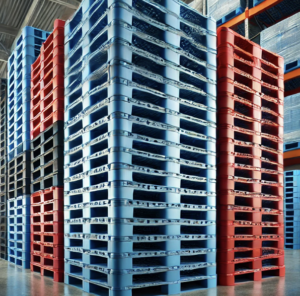
If you’re looking for a blue-collar, high-demand business that can grow fast when it’s run tight and consistent, a Pallets for Sale business can be a smart lane. Pallets are the quiet backbone of shipping, warehousing, retail replenishment, manufacturing, and construction logistics. When businesses need them, they need them now, and that creates opportunity for a local supplier who can deliver dependable quality, fair pricing, and consistent inventory.
This guide walks you through the practical steps to start strong, avoid common pitfalls, and build a pallet business that earns repeat buyers instead of one-time bargain hunters. 🚚
Know the Business Model and Pick Your Lane Early
A pallet business can be run several ways, and your choices affect everything from your yard layout to your pricing. The most common lanes include selling used wooden pallets, selling reconditioned pallets (repaired to a consistent spec), selling new pallets (often via a manufacturing partner or your own build operation), and selling plastic pallets for customers who prioritize sanitation, durability, and export compliance. A strong starter strategy is to choose one primary lane and one secondary lane. For example, you can focus on used and reconditioned wood pallets first, then add plastic pallets once you’ve built predictable demand and cash flow. To keep your strategy grounded in real-world business conditions, regularly follow business coverage from outlets like Reuters Business and AP Business.
Learn Pallet Types, Grades, and the Specs Buyers Actually Care About
Buyers do not just buy “a pallet.” They buy a size, a capacity, an entry style, and a condition level that fits their operation. Common North American demand centers on 48×40 pallets, but your region may have other standards depending on local industries. You’ll also hear terms like stringer pallets, block pallets, and two-way versus four-way entry. Understanding the basics helps you communicate like a pro and reduces returns, disputes, and chargebacks. A quick foundational overview is helpful for getting the language right, including definitions and common standards, as shown in Wikipedia’s pallet reference.
Secure Reliable Inventory Sources Before You Spend Big on Marketing
In the pallet world, inventory consistency is your brand. Start building supply relationships before you promise volume to customers. Good sources include local warehouses, manufacturers, distributors, big-box retail backrooms, equipment installers, flooring suppliers, and any business receiving frequent freight. Offer simple pickup terms, clear sorting expectations, and predictable schedules. When suppliers know you show up on time and keep the yard clean, you’ll get the first call when they have a steady stream.
To keep margins healthy, separate your sourcing into two buckets. The first bucket is low-cost or free cores, meaning used pallets you can resell as-is or repair. The second bucket is premium cores, meaning pallets that cost more but require less labor and have a higher resale value. This approach keeps production flowing even when one source dries up. 📈
Choose a Yard Setup That Matches Your Volume and Your Local Rules
A pallet yard can be simple, but it cannot be sloppy. You need a safe place to stage inventory, sort grades, store scrap, and load customer trucks quickly. Even if you start small, plan your flow like a warehouse. Put receiving near the entrance, sorting in the middle, finished inventory near the load-out zone, and scrap in a controlled area away from customer traffic.
Also take zoning, fire codes, stormwater considerations, and noise concerns seriously. Pallet operations look harmless until a neighbor complains, a code officer visits, or a fire marshal asks about stacking and spacing. Keep up with business and regulatory pressures that can influence local enforcement trends by staying aware of broader business developments through sources like The Financial Times Companies coverage.
Build a Simple Grading System and Stick to It Every Day
Your grading system is how you protect your reputation at scale. Pick clear grades like A, B, and C, then define them in writing with photos for your team. Grade A might be clean, no broken boards, minimal discoloration, and ready for racking or outbound shipments. Grade B might be structurally sound but with cosmetic issues. Grade C might be repair-grade or suitable for one-way shipping. Consistency reduces disputes and creates trust, and trust increases repeat orders.
When you sell reconditioned pallets, define your repair standard. Decide which boards you replace, how many repaired boards are allowed, whether you allow companion stringers, and what nail patterns you use. That standard becomes your “product,” not the pallet itself. 🔨
Price for Margin, Not for Ego
Many new pallet sellers price too low because they want to win fast. That approach usually collapses the moment fuel prices rise, labor costs creep up, or a truck breaks down. Pricing needs to cover your direct costs (inventory, labor, nails, boards, equipment wear, fuel), your overhead (rent, insurance, utilities), and your profit. Track your cost per pallet by grade and by customer type.
Use structured pricing rather than constant negotiation. Create tiers for pickup, delivery, and volume. Add transparent delivery fees, and keep a minimum order for deliveries so your truck time stays profitable. For a broader view of pricing pressure and small-business margin realities, it helps to follow coverage like Fortune’s business reporting.
Invest in the Right Equipment, Then Protect It Like a Profit Center
You can start with minimal equipment, but you must be realistic about safety and speed. At a minimum, you’ll eventually need a dependable forklift, a pallet jack, banding or stretch wrap tools, repair tools, and a safe work area. As you grow, consider a dedicated trailer, a second forklift to reduce downtime, and racking or stacking systems that reduce labor.
Create a maintenance routine from day one. Small failures become expensive emergencies in a pallet business because a dead forklift can shut down revenue instantly. Build a “downtime prevention” mindset into operations early.
Get Serious About Sales Channels and Customer Mix
The best pallet businesses build a balanced customer list. Some customers buy high volume but demand low pricing. Others buy smaller volume but value reliability and will pay for clean, consistent inventory. Your job is to build a mix that keeps cash flow stable.
Strong customer targets include local manufacturers, distribution centers, 3PL warehouses, food and beverage facilities, building suppliers, and e-commerce fulfillment operations. Create a simple outreach routine and keep it consistent. Post your inventory updates on your website and local listings, build relationships with shipping managers, and stay ready to fulfill repeat orders quickly.
For industry context and changing demand signals, it helps to stay aware of global supply chain and business trends through sources like The Wall Street Journal Business section and Bloomberg Businessweek.
Create a Delivery and Pickup Process That Feels Effortless for Buyers
Ease wins. Many buyers stay with a supplier because ordering is simple and delivery is dependable. Offer clear delivery windows, communicate delays early, and keep invoices easy to read. Confirm pallet size, grade, and quantity on every order. If you do buy-backs or core pickups, schedule those like clockwork. Consistency makes you the “default supplier,” and being the default supplier is where long-term profit lives. ✅
Keep Quality, Safety, and Cleanliness Non-Negotiable
Pallet yards can become chaotic fast. Cleanliness impacts safety, customer confidence, and regulatory risk. Keep lanes clear, stack safely, control nails and debris, and train your team on basic yard safety. Document simple rules, enforce them consistently, and treat safety like it protects profit, because it does.
Also be mindful of customers who ship internationally or operate in regulated environments. Some will require specific handling standards, documented sourcing, or heat-treated pallets depending on their supply chain needs. When you can meet those requirements reliably, you unlock higher-value accounts. 🌍
Track the Numbers Weekly and Run This Like a Real Business
A pallet business rewards operators who pay attention. Track inventory levels by grade, turnover speed, cost per pallet, delivery costs per route, labor hours per batch, and customer profitability. You do not need complicated software at the start, but you do need discipline.
Review your numbers weekly, not monthly. Weekly review keeps small issues from becoming expensive problems. If Grade A supply is shrinking, you adjust sourcing. If deliveries are eating profit, you adjust minimum orders or route planning. If repairs are slowing down, you refine your process or change your intake standard. 📊
Conclusion 🚀
Starting a Pallets for Sale business is not about finding a few cheap pallets and listing them online. It’s about building a dependable supply chain, running a clean and safe operation, grading consistently, pricing for profit, and becoming the supplier buyers trust when their dock is backed up and they need pallets today.
Treat your inventory like your reputation, treat your delivery schedule like your brand, and treat your weekly numbers like your scoreboard. Do that, and this business can grow from a simple yard into a serious operation with repeat accounts, steady cash flow, and long-term value. 💼📦