

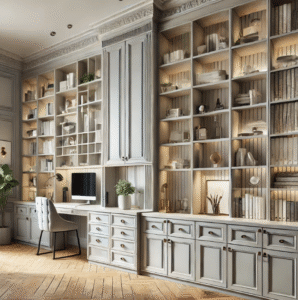
Building a Future One Niche at a Time
Custom built-ins—whether it’s a reading nook, floating shelves, media walls, or hidden storage—are surging in demand thanks to homeowners and businesses who crave both function and design. Unlike mass-produced furniture, built-ins add permanent, purposeful beauty to a space. For skilled woodworkers and detail-oriented entrepreneurs, starting a custom built-ins business presents an exciting opportunity to tap into the growing remodeling and real estate market.
But here’s the catch: even with the finest craftsmanship, running a successful custom built-ins business takes more than talent. It requires strategic planning, the right tools, branding, marketing, legal compliance, and—above all—a service mindset. Whether you’re a solo carpenter or someone looking to build a team, this guide will walk you through every step you need to get started.
1. Understand the Market for Custom Built-Ins
Before you dive into business setup, you need to understand what your potential customers want—and how trends are evolving.
🔍 Identify Target Customers
Custom built-ins typically serve:
-
Homeowners seeking organization and elegance
-
Realtors staging homes to sell faster
-
Interior designers looking for a dependable partner
-
Commercial spaces like offices, cafes, and studios
🏡 Hot Trends in Built-Ins
According to Houzz, trends include:
-
Floor-to-ceiling bookshelves
-
Floating desks and study nooks (especially post-pandemic)
-
Entryway mudroom lockers
-
Living room media walls with hidden storage
Market demand is strong in regions with high rates of home renovation or new home builds. Research local housing data via sources like Zillow Research or your city’s building permit office.
2. Choose Your Niche and Services Wisely
While it’s tempting to say “yes” to every project, you’ll stand out faster by offering specialty services.
🔨 Popular Niches to Consider:
-
Custom closets
-
Home office and study built-ins
-
Entertainment and media walls
-
Pantry storage systems
-
Custom cabinetry for kitchens or bathrooms
Choose based on:
-
Your experience and skillset
-
Tool availability
-
Market demand in your region
Starting with a strong niche helps with branding and makes it easier to rank on Google for local SEO keywords like “custom media wall installation [City]” or “built-in reading nook contractor near me.”
3. Develop a Solid Business Plan
You need more than a toolbelt—you need a blueprint for your business. Use templates from the U.S. Small Business Administration to guide your plan.
📋 Include Key Sections:
-
Business summary: What services will you offer? Where?
-
Market analysis: Who are your competitors? What gaps can you fill?
-
Marketing strategy: How will you attract and retain clients?
-
Operations: Will you be solo or hire help?
-
Financial plan: Include startup costs, expected revenue, and break-even point.
A solid plan helps secure funding and gives you a roadmap when things get busy or tough.
4. Legalize and Structure Your Business
Getting legit protects your work and opens doors to insurance, permits, and contracts.
⚖️ Legal Essentials:
-
Choose a business structure (LLC, sole proprietorship, etc.). Many carpenters prefer LLCs for liability protection. You can file through LegalZoom or your state’s official site.
-
Register your business name through your Secretary of State’s office.
-
Get an EIN (Employer Identification Number) via the IRS.
-
Check local licenses and permits. You may need a contractor’s license depending on your scope of work and region. Check through ContractorLicense.com.
-
Set up a business bank account and accounting software. QuickBooks is a favorite among contractors.
Don’t skip this part—it builds trust with customers and protects you from legal headaches. 🧾
5. Get the Right Tools and Materials
While most built-in projects don’t require large machinery, quality tools make or break your craftsmanship.
🧰 Starter Tools List:
-
Table saw
-
Miter saw
-
Jigsaw
-
Drill/driver combo
-
Router
-
Orbital sander
-
Kreg jig for pocket holes
-
Laser level and stud finder
-
Wood filler, glue, clamps, and fasteners
You’ll also need a reliable truck or van for transporting materials and tools. Partner with local suppliers or consider joining Builder’s Associations for industry discounts.
6. Build a Portfolio That Sells for You
People want to see what you can do. Your portfolio should showcase your best work, not just in terms of design, but how it solves problems.
📸 Tips for Showcasing Work:
-
Take high-quality before and after photos.
-
Highlight unique customizations or client requests.
-
Include captions: What was the problem? How did you solve it?
-
Show your process (sketches, design boards, 3D models).
-
Ask happy clients for reviews and testimonials on Google and Houzz.
Build a website on platforms like Squarespace or Wix and optimize for SEO. Include keywords like “custom mudroom built-ins in [City]” to attract organic traffic.
7. Price Your Services Strategically
Pricing custom work is tricky. You’re not just selling materials; you’re selling time, creativity, and permanence.
💵 Pricing Musts:
-
Estimate material and labor costs accurately.
-
Add markup for overhead, travel, insurance, and taxes.
-
Research competitors, but don’t undercut too much—it devalues your work.
-
Create tiered options—basic, premium, and luxury packages.
Consider using Jobber or Houzz Pro to manage quotes, scheduling, and invoices.
8. Promote Your Built-Ins Business Like a Pro
You can be the best craftsman in town, but if nobody knows you exist, you’ll be stuck chasing leads.
📣 Marketing Essentials:
-
Google Business Profile: Show up on Google Maps and search results with photos and reviews.
-
Local SEO: Optimize your website with keywords like “built-in shelves contractor [City]”. Use tools like Ubersuggest to find search terms.
-
Social media: Instagram and Pinterest are perfect for showcasing visual work. Include videos of builds, time lapses, and client reactions.
-
Networking: Build relationships with interior designers, realtors, and general contractors.
-
Referral program: Reward past clients for referring friends.
If budget allows, use local ads on Facebook or Instagram targeting homeowners in your service area. 🎯
9. Deliver Exceptional Service and Craftsmanship
Your real marketing is the experience your clients walk away with. Focus on clear communication, professional timelines, and follow-up.
💡 Tips for Outstanding Service:
-
Use project management tools like Trello or Asana to stay organized.
-
Communicate delays or changes early and often.
-
Offer maintenance tips and care guides for finished products.
-
Follow up with a thank-you note and ask for a review.
Happy clients don’t just leave reviews—they become long-term fans and future referrers. 🙌
10. Scale Strategically When You’re Ready
Once your business gains traction, consider:
-
Hiring an apprentice or subcontractor
-
Offering digital design services (SketchUp or CAD)
-
Creating prefab built-in kits for local delivery
-
Partnering with homebuilders or design studios
Build systems before you expand—document processes, organize client files, and track job costs. Consider taking online business courses via SCORE or Coursera to sharpen your leadership and growth mindset.
Conclusion: Your Blueprint for a Lasting Legacy
Starting a custom built ins business blends your craftsmanship with your entrepreneurial spirit. It’s about turning raw wood into functional art—and turning a passion into a profitable, sustainable venture. With the right tools, legal steps, brand presence, and customer experience, you’re not just installing shelves—you’re building trust, value, and beauty into the lives of your customers.
The world doesn’t need more mass production. It needs your hands, your ideas, and your vision. 🧱📏✨
So go ahead—grab your pencil, mark your board, and make that first cut.
Your future is ready to be built in.