

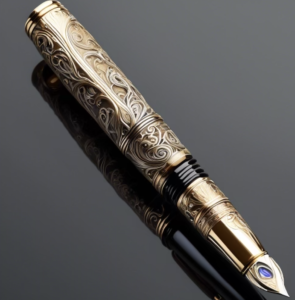
Fountain pens have long been associated with elegance, craftsmanship, and a touch of nostalgia, making them a beloved item for enthusiasts and collectors alike. The demand for these writing instruments continues to grow as people seek alternatives to digital tools and mass-market pens. Starting a fountain pen store business can be a rewarding venture, blending the beauty of traditional craftsmanship with modern business opportunities. Here’s a comprehensive guide to launching your own fountain pen store.
The Appeal of Fountain Pens
In a world dominated by keyboards and touchscreens, fountain pens stand out as a symbol of timeless sophistication. These writing tools appeal to a diverse audience: professionals who appreciate their smooth writing experience, students looking for a dependable tool, and collectors eager to own a piece of history. Starting a fountain pen business not only taps into this niche market but also allows entrepreneurs to create a community around a shared love for quality writing instruments.
The business model can range from a brick-and-mortar store to an online shop or a hybrid approach, each with its own set of opportunities and challenges. Whether you’re an enthusiast yourself or a savvy entrepreneur spotting a unique market, launching a fountain pen store requires careful planning, market understanding, and a passion for delivering quality products.
Research and Understand Your Market
Identify Your Target Audience
The fountain pen market comprises various customer segments:
Professionals and Executives: They seek pens for signing documents and making an impression in meetings.
Students and Writers: They value the smooth flow and reduced hand strain during long writing sessions.
Collectors and Enthusiasts: They look for rare, vintage, or luxury models.
Artists and Designers: They use fountain pens for calligraphy, sketching, and other creative pursuits.
Understanding these groups will help you tailor your product offerings, marketing strategies, and store design.
Study Competitors
Research competitors in the fountain pen market. Visit their stores (physical or online) to observe:
- Product variety
- Pricing strategies
- Customer engagement methods
- Branding and marketing tactics
Competitors’ strengths and weaknesses can inspire your business strategy.
Create a Business Plan
A well-crafted business plan is essential for defining your vision and securing funding. Include the following elements:
Mission and Vision
Clearly state why you’re starting the business and your long-term goals.
Market Analysis
Detail your target audience, industry trends, and competitor insights.
Product Line
List the types of fountain pens you’ll sell:
Entry-level pens: Affordable options for beginners.
Mid-range pens: Durable and stylish pens for regular users.
Luxury pens: Premium designs for collectors and gifting purposes.
Include complementary products like ink, paper, and accessories.
Business Model
Decide on your sales approach:
Brick-and-mortar store: Ideal for local community building but comes with higher overhead costs.
Online store: Low overhead and global reach, but requires strong digital marketing.
Hybrid model: Combines the best of both worlds.
Financial Plan
Estimate startup costs, operating expenses, and revenue projections. Factor in costs like:
- Inventory
- Rent (if applicable)
- Website development
- Marketing
- Licensing and permits
Secure Funding
Starting a fountain pen store requires upfront investment. Consider these funding options:
- Personal savings
- Small business loans
- Angel investors
- Crowdfunding platforms like Kickstarter (ideal for unique or artisanal offerings)
Source Quality Products
The success of your store hinges on the quality and variety of your inventory. Build relationships with reputable manufacturers and suppliers. Options include:
Direct partnerships with brands: Secure distributor rights from established companies like Lamy, Pilot, or Montblanc.
Artisan suppliers: Collaborate with independent pen makers for unique offerings.
Vintage collectors: Source rare and discontinued models for collectors.
Negotiate favorable terms and ensure you have a mix of price points to cater to different customers.
Design Your Store
Physical Store
If opting for a brick-and-mortar setup:
Location: Choose a high-traffic area with an audience interested in writing or luxury goods.
Layout: Design an inviting space with display cases showcasing pens. Include a writing station where customers can test products.
Online Store
For an e-commerce model:
- Use platforms like Shopify, WooCommerce, or Etsy.
- Ensure high-quality product photography and detailed descriptions.
- Offer customization options like engraved pens.
Build Your Brand
Your brand should reflect the elegance and quality of fountain pens. Elements to focus on:
Name and Logo: Choose a name that conveys sophistication and timelessness. The logo should complement this image.
Storytelling: Share your passion for fountain pens and why you started the business.
Packaging: Use premium materials to enhance the customer experience.
Marketing and Outreach
Social Media
Leverage platforms like Instagram and Pinterest to showcase the beauty of your pens. Share content like:
- Tutorials on pen care
- Calligraphy demonstrations
- Customer testimonials
Content Marketing
Start a blog or YouTube channel about fountain pen history, maintenance tips, or writing techniques.
Events and Partnerships
- Host in-store workshops on calligraphy or journaling.
- Partner with local stationery stores or bookshops for joint promotions.
Email Marketing
Build a mailing list to share promotions, new arrivals, and fountain pen care tips.
Focus on Customer Experience
Outstanding customer service sets you apart in the niche fountain pen market:
- Offer personalized recommendations based on customer needs.
- Provide repair and maintenance services.
- Create loyalty programs or subscription boxes featuring inks and accessories.
Monitor and Adapt
Once your store is operational, regularly evaluate its performance:
- Track sales data to identify best-selling products.
- Gather customer feedback for improvement.
- Stay updated on industry trends, such as eco-friendly pens or new technologies.
Adapt your strategy to align with changing customer preferences and market demands.
Conclusion: A Business with Endless Possibilities
Starting a fountain pen store near me is more than just a business venture—it’s an opportunity to immerse yourself in a world of artistry and craftsmanship. By combining a passion for fine writing instruments with strategic planning, you can create a store that delights customers and builds a loyal community.
With the right approach, your fountain pen store can become a haven for enthusiasts and a gateway for newcomers to discover the charm of fountain pens. Begin your journey today, and write your own story of entrepreneurial success.