

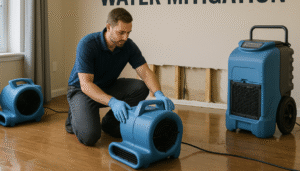
Starting a water mitigation business in Naples, Florida, can be both fulfilling and profitable. Facing coastal flooding, hurricanes, heavy rains, and burst pipes, residents and commercial properties often require urgent water extraction and structural drying. With growing demand and rising awareness of property insurance impacts, this field is ripe for motivated entrepreneurs. But where do you begin? What legal steps are needed? How do you stand out in a competitive local market?
This guide walks you step‑by‑step—from licensing and certifications to setting up operations, building partnerships, marketing smartly in Naples, and sustaining long‑term growth. Dive in! 🌴
1. Understand the Market & Competition
Naples’ water mitigation industry is bustling:
-
Large restoration firms like AdvantaClean and Voda Cleaning & Restoration serve as key competitors, offering IICRC‑certified expertise and 24/7 emergency response.
-
Specialized local companies like DryZone and Above Water Cleaning & Restoration thrive on fast response, insurance coordination, and deep local knowledge.
-
CityScoop Naples emphasizes the dangers of hidden water damage and the need for thermal imaging and moisture testing.
🏝 Demand drivers in Naples include:
-
Seasonal storms and hurricanes
-
Aging municipal infrastructure
-
Property insurance incentives for mitigating claims
-
High-value residential flood risk
Understanding where current providers excel — and where they leave gaps — helps define your niche and value proposition.
2. Licensing & Certification Requirements in Florida
✅ Contractor’s License & Scope
-
Florida doesn’t require a state license for water mitigation services alone. However, any structural repairs, mold remediation, or reconstruction mandate a contractor’s license through Florida’s Department of Business & Professional Regulation (DBPR).
-
Online forums like Reddit’s Construction Sub confirm the need for appropriate licensure depending on service scope.
➡️ If you’re only extracting water and drying structures, a contractor’s license isn’t legally required. But expanding into mold, restoration, or building repairs? You’ll need proper licensing.
🎓 Certifications Matter
Even without legal mandates, professional certifications are crucial for trust and insurer collaboration:
-
IICRC Water Damage Restoration Technician (WRT) – widely recognized benchmark.
-
IICRC Applied Structural Drying (ASD) – critical for thorough drying.
-
Florida Mold Remediator License – required for mold work. This includes education and field hours.
-
FEMA NIMS ICS-100 & ICS-200 – recommended for emergency preparedness and team leadership credibility.
3. Set Up Legal & Business Foundations
🏛 Business Setup
-
Register your business in Florida — e.g., an LLC or S‑Corp — through Sunbiz.
-
Secure a local business tax license from Collier County Tax Collector and a permit from the City of Naples Building Department.
-
Carry General Liability and Workers’ Compensation Insurance — a must for contracts and certifications.
-
Consider bonding to strengthen client confidence and insurer approvals.
🧾 Permits & Environmental Rules
-
Structural repairs often demand local permits. Always verify with Collier County and the City of Naples.
-
Flood wastewater disposal is regulated by Southwest Florida Water Management District (SWFWMD).
-
If contaminated water is involved, check with the Florida Department of Environmental Protection (DEP) to ensure safe handling and disposal.
4. Equip Your Business
🚚 Essential Gear
-
Industrial water extractors (truck-mounted or portable)
-
Commercial air movers and low-grain refrigerant (LGR) dehumidifiers
-
Moisture meters & thermal cameras (like FLIR)
-
HEPA air scrubbers for microbial control
-
PPE gear – gloves, respirators, Tyvek suits
-
Antimicrobial and disinfectant chemicals approved by EPA
👷 Staffing & Training
-
Hire certified IICRC technicians with background checks and restoration experience.
-
Use OSHA 10/30-hour training to ensure a safe and legal job site.
-
Schedule continuing education to stay current with tools, compliance, and best practices.
5. Operations & Workflow
-
24/7 Emergency Dispatch
Set up a call-forwarding hotline or an answering service with emergency protocols. -
Moisture Inspection & Reporting
Document conditions using thermal cameras, moisture logs, and photo/video backups. -
Water Extraction & Structural Drying
Execute a drying plan using IICRC standards, verified with daily monitoring. -
Sanitization & Odor Control
Use foggers or hydroxyl generators for decontamination and odor removal. -
Insurance Liaison
Collaborate with insurers and submit reports formatted to industry claim standards.
6. Marketing Strategically in Naples
💻 Build Trust with Homeowners and Businesses
-
Offer free site inspections and water damage consultations.
-
Publish Google reviews, video testimonials, and before/after transformations.
-
Add trust badges on your website: IICRC, DBPR License, Florida Mold Remediator.
📱 Online & Local Presence
-
Use SEO and Google Ads to rank for keywords like “Naples water damage,” “emergency flood cleanup Naples,” and “water mitigation near me.”
-
Set up a Google Business Profile and optimize for map pack placement.
🤝 Partner with Local Pros
-
Build referral relationships with real estate agents, home inspectors, plumbers, and roofers.
-
Create vendor accounts with property management firms and HOA boards.
7. Pricing & Financial Planning
💵 Typical Rate Structures
-
Water mitigation often bills per square foot, e.g., $3–$6 per ft².
-
Drying equipment: $100–$200/day per unit depending on power and runtime.
-
Optional add-ons: odor control, mold testing, crawl space drying.
📊 Cash Flow Tips
-
Use invoice factoring or lines of credit for slow-paying insurance claims.
-
Maintain at least three months’ operating reserves — storm season gets hectic fast.
-
Offer discounts for upfront pay (especially for realtors and contractors).
8. Add Value Through Differentiation
-
Offer eco-friendly cleaning and chemical-free deodorizers.
-
Provide education through seasonal prep checklists and storm guides.
-
Add specialty services like crawl space encapsulation and HVAC moisture control.
-
Use thermal drone scans for commercial buildings.
9. Risk Management & Scaling
-
Protect yourself legally with signed contracts and hold harmless agreements.
-
Join professional groups like the Restoration Industry Association (RIA) and IICRC.
-
Expand geographically into Fort Myers, Estero, Bonita Springs, or Cape Coral.
-
Consider turning your brand into a franchise model over 5–10 years.
🏁 Conclusion
Building a successful water mitigation Naples Florida business, takes more than pumps and fans. It demands discipline, trust, compliance, and care. The good news? Naples is a high-opportunity market. With the right foundation—business registration, equipment, certifications, and smart partnerships—you can be the go-to expert when disaster strikes.
Whether you’re driven by profit, passion, or purpose, water mitigation is a business that restores more than structures—it restores peace of mind. 💙
If you’re ready to start but want support with marketing, licensing, or digital setup, don’t hesitate to reach out. There’s a powerful future waiting for those who are prepared to step in when the storm rolls out.