

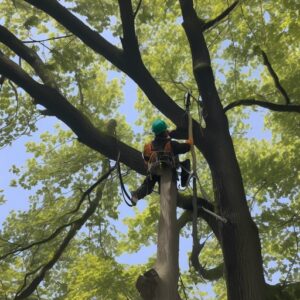
Starting an arborist consulting business can be an incredibly rewarding venture, especially if you have a passion for trees, landscape management, and the environment. Arborist consultants are highly skilled professionals who provide expert advice on the care, maintenance, and health of trees. They play an essential role in urban forestry, landscape design, and environmental conservation by offering specialized knowledge and recommendations that help maintain trees’ vitality while balancing environmental and legal considerations.
In this article, we will explore everything you need to know to start an arborist consulting business, from understanding the core services you’ll offer, obtaining proper certifications, and building your client base to marketing your services and scaling your business.
Why Start an Arborist Consulting Business?
The world is becoming more environmentally conscious, and this has led to a growing demand for professional arborists. As people seek to preserve trees in urban and suburban environments, arborists’ expertise in tree health, risk assessment, and management becomes invaluable. Municipalities, construction companies, landscape architects, and homeowners frequently need the services of a professional arborist to evaluate the condition of trees, ensure safety, and comply with local regulations.
As an arborist consultant, your services could include tree risk assessments, disease diagnosis, site surveys for construction projects, tree preservation plans, and more. With the right skills, certifications, and a well-thought-out business plan, you can enter this field and provide critical services to a wide range of clients.
Gain Expertise and Certification as an Arborist
Before you start consulting, it is important to have a strong foundation in arboriculture. This means acquiring hands-on experience with tree care, soil management, and diagnosing tree health. Most consultants start their careers as certified arborists.
Steps to Becoming a Certified Arborist:
Education: While a degree in forestry, horticulture, or environmental science can be beneficial, it is not mandatory. However, having an educational background in a relevant field can increase your credibility. Many prospective arborists complete training programs that specialize in arboriculture.
Certification: The International Society of Arboriculture (ISA) is a globally recognized organization that offers certification for arborists. To become a Certified Arborist, you will need:
-
- A minimum of three years of full-time work experience in arboriculture.
- Passing the ISA Certified Arborist exam, which covers all aspects of tree care, from biology and soil management to pest control and risk assessment.
Continuing Education: Even after certification, it is essential to stay updated with the latest industry trends, techniques, and laws affecting arboriculture. Attending workshops, seminars, and advanced ISA courses will help you maintain your certifications and enhance your expertise.
Additional Certifications to Consider:
Tree Risk Assessment Qualification (TRAQ): This qualification allows arborists to evaluate the potential hazards posed by trees and offer recommendations for risk mitigation. It is especially useful in urban areas and construction zones.
Consulting Arborist Certification: The American Society of Consulting Arborists (ASCA) offers a certification specifically tailored to professionals who wish to focus on consulting. This credential demonstrates your expertise in providing expert advice and reports on tree care, litigation, and preservation.
Define Your Business Services
Once you have the necessary qualifications, the next step is to define the services you will offer. The scope of services can vary depending on your expertise and the needs of your target market. Some typical consulting services include:
Common Services Offered by Arborist Consultants:
Tree Risk Assessments: Assessing tree stability and health to determine if a tree poses a hazard to people or property.
Disease and Pest Diagnosis: Identifying diseases or pest infestations that may be affecting the health of trees and providing treatment recommendations.
Pre-Construction Tree Surveys: Advising construction companies on which trees can be preserved and what protection measures should be in place during development.
Tree Preservation and Management Plans: Creating long-term plans for the maintenance and protection of trees in urban or commercial landscapes.
Expert Witness Services: Offering expert testimony in legal cases involving tree damage, property disputes, or liability.
Tree Appraisals: Evaluating the monetary value of trees for insurance claims, property sales, or legal purposes.
By defining the range of services your business will offer, you can tailor your marketing efforts and target the right clients.
Develop a Business Plan
A business plan is essential for laying the groundwork for your arborist consulting business. It will guide you through the setup process and help ensure long-term success.
Key Elements of Your Business Plan:
Mission Statement: Define the goals and purpose of your consulting business. Why do you want to offer arborist consulting services, and what values will drive your operations?
Market Research: Analyze the local market for arborist consulting services. Who are your potential clients? What services are in demand? Research your competition and identify gaps that your business could fill.
Target Audience: Identify who your primary clients will be. These could include homeowners, businesses, construction firms, municipalities, real estate agents, or landscape architects. Tailoring your services to their specific needs will set you apart from competitors.
Pricing Strategy: Decide how you will price your services. Pricing should be competitive yet sustainable. Some arborists charge by the hour, while others charge per project or assessment. Research industry standards in your area to develop a pricing model that works for both you and your clients.
Marketing Strategy: Consider how you will promote your business. Effective marketing strategies may include:
-
- Building a professional website.
- Networking with local real estate agents, construction companies, and municipalities.
- Creating content, such as blogs or videos, that highlight your expertise in arboriculture.
- Leveraging social media to showcase your work and connect with potential clients.
Financial Plan: Determine how much startup capital you’ll need and how you’ll cover your initial expenses (certifications, insurance, marketing, equipment, etc.). Plan for at least 6 to 12 months of operating costs to ensure you can sustain the business during the early stages.
Obtain the Right Tools and Equipment
As an arborist consultant, you will need specific tools to perform tree assessments and create reports for your clients. While the exact equipment needed will depend on the services you offer, common tools include:
Climbing Gear: While consultants don’t typically climb trees for every consultation, you should still have the necessary climbing equipment in case it’s needed.
Measurement Tools: Instruments such as a clinometer, tape measure, and resistograph can help you assess the height, diameter, and internal structure of trees.
Diagnostic Tools: Soil testers, moisture meters, and decay detection devices are crucial for diagnosing tree health issues.
Software: Arborists often use specialized software to create detailed reports, manage client relationships, and provide data for tree preservation plans. Consider investing in arboricultural software to streamline your operations.
Legal and Financial Considerations
When starting a consulting business, it is essential to ensure that you comply with local regulations and protect yourself legally.
Key Considerations:
Business Structure: Decide whether you will operate as a sole proprietor, limited liability company (LLC), or another legal entity. Many consultants choose to form an LLC to protect their personal assets from potential legal claims.
Insurance: Professional liability insurance is crucial for arborist consultants. It protects you in the event that a client files a claim against you for inaccurate advice or negligence. General liability insurance is also important in case of accidents or damage while on-site.
Licensing: Depending on your location, you may need specific licenses or permits to operate an arborist consulting business. Check with your local government or business bureau for the necessary permits.
Contracts: Develop clear, comprehensive contracts for your services. Your contracts should outline the scope of work, timelines, fees, and any liability waivers. This will protect both you and your clients from misunderstandings or legal disputes.
Build Your Client Base
Once you’re ready to start offering consulting services, the next step is to build your client base. This is where your marketing efforts will pay off.
Strategies for Attracting Clients:
Leverage Existing Relationships: If you’ve worked in the tree care or landscaping industry before, reach out to past clients or colleagues who might need consulting services or referrals.
Network Locally: Attend local trade shows, community events, and professional associations where you can meet potential clients and build relationships.
Offer Free Consultations or Workshops: Hosting a free tree-care workshop or offering free initial consultations can help you demonstrate your expertise and attract potential clients.
Create Partnerships: Form strategic partnerships with related businesses such as landscape architects, real estate agents, or municipalities to increase your referrals.
Conclusion: Growing and Scaling Your Arborist Consulting Business
Starting an arborists near me consulting business requires a strong foundation in arboriculture, a well-thought-out business plan, and a targeted marketing strategy. By gaining the necessary certifications, defining your services, and positioning yourself as an expert in the field, you can build a successful consulting business that provides valuable tree care advice and support to clients.
As your business grows, consider expanding your services or bringing on additional consultants. Stay informed about the latest trends in arboriculture and continuously improve your skills to maintain your competitive edge in the industry. With time and dedication, you can develop a thriving arborist consulting business that contributes to environmental preservation and sustainable tree care practices.