

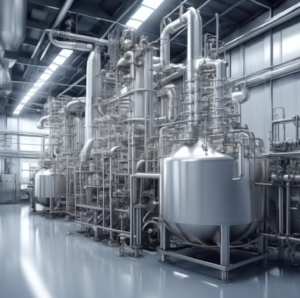
Texas, known as the Lone Star State, is famous for its vast landscapes, booming energy sector, and economic diversity. Among its many industries, chemical manufacturing has become a cornerstone of Texas’s industrial might. Chemical manufacturing companies in Texas have evolved from humble beginnings to playing a pivotal role in the global supply chain, driven by abundant natural resources, strategic location, and innovative practices. Understanding how these companies started their journey in Texas provides insight into their remarkable growth and the state’s transformation into a global chemical manufacturing hub.
This article delves into the origins of chemical manufacturing in Texas, exploring the factors that contributed to the industry’s establishment, its early challenges, and the key players who laid the groundwork for its success.
The Origins of Chemical Manufacturing in Texas
Natural Resource Advantage
Texas’s chemical manufacturing industry owes much of its success to the state’s natural resources. The discovery of oil at Spindletop in 1901 marked a turning point, fueling the growth of the petrochemical industry. Texas’s rich oil and natural gas reserves provided the raw materials for producing chemicals such as ethylene, propylene, and ammonia.
The Gulf Coast region, in particular, emerged as a hotspot for chemical manufacturing due to its proximity to these resources and access to shipping channels like the Port of Houston. By the 1920s, companies began establishing plants to process hydrocarbons into valuable chemicals, laying the foundation for the industry.
Industrial Growth During World Wars
World War I and World War II acted as significant catalysts for chemical manufacturing in Texas. The wars created an urgent need for synthetic materials, explosives, and fertilizers. To meet these demands, the federal government invested heavily in building chemical plants in the state.
For example, during World War II, Texas became a critical player in the production of synthetic rubber—a material vital for the war effort. Facilities like the one in Port Neches were established to produce butadiene and styrene, the essential components of synthetic rubber.
The Role of Innovators and Entrepreneurs
Texas’s chemical industry wouldn’t exist without the vision of pioneering entrepreneurs. Companies like Dow Chemical, Exxon, and Shell were instrumental in shaping the landscape. These firms recognized Texas’s potential and set up large-scale operations, capitalizing on the state’s resources and infrastructure.
In the 1930s, Dow Chemical established a major plant in Freeport, Texas, which became a cornerstone for the company’s operations. The plant initially focused on producing magnesium from seawater but later expanded into diverse chemical production, driving innovation and creating thousands of jobs.
Key Milestones in Texas Chemical Manufacturing
Post-War Expansion
Following World War II, the chemical industry in Texas experienced exponential growth. Returning soldiers created a baby boom, which spiked demand for consumer products such as plastics, synthetic fabrics, and household chemicals—all products reliant on chemical manufacturing.
The development of large-scale refineries and petrochemical complexes, particularly along the Gulf Coast, solidified Texas’s position as a global leader in the chemical sector. The rise of suburban living also drove demand for materials like PVC, which Texas plants produced in abundance.
Establishment of Chemical Clusters
The Gulf Coast region saw the development of chemical clusters—areas where multiple chemical plants and refineries operated in close proximity. These clusters allowed companies to share resources, reduce transportation costs, and foster innovation through collaboration.
The Houston Ship Channel became a vital artery for transporting raw materials and finished products. This integration of logistics and manufacturing created a competitive advantage that attracted more companies to the region.
Environmental and Regulatory Challenges
As the industry expanded, it faced scrutiny over environmental impacts. Chemical spills, air pollution, and hazardous waste disposal became pressing concerns. The 1970s saw the introduction of stricter federal regulations, such as the Clean Air Act and the Clean Water Act.
Despite these challenges, Texas chemical companies adapted by investing in cleaner technologies and sustainable practices. Many companies established dedicated environmental departments to comply with regulations and improve their operations.
Factors That Made Texas a Chemical Manufacturing Powerhouse
Strategic Location
Texas’s location offers several advantages. Its proximity to the Gulf of Mexico provides easy access to international markets, while the state’s extensive rail and road networks ensure efficient distribution across the United States.
Skilled Workforce
Texas has long invested in workforce development, particularly in industries like engineering and manufacturing. Educational institutions, such as Texas A&M University and the University of Texas, have partnered with chemical companies to provide specialized training programs.
Business-Friendly Environment
Texas’s low taxes, pro-business policies, and lack of a state income tax have attracted businesses from around the world. The state government has actively supported the chemical industry through incentives, infrastructure investments, and streamlined permitting processes.
Challenges Faced by Early Chemical Manufacturers
Infrastructure Limitations
In the early 20th century, Texas lacked the infrastructure needed to support large-scale chemical manufacturing. Roads, pipelines, and ports had to be developed to facilitate the movement of goods and raw materials.
Market Volatility
The chemical industry is heavily tied to the oil and gas market, making it vulnerable to price fluctuations. Early manufacturers had to navigate periods of low oil prices, which impacted profitability.
Competition and Innovation
As the industry grew, competition among companies intensified. Firms had to invest in research and development to stay ahead, leading to breakthroughs in synthetic materials and production methods.
Modern-Day Impact of Texas Chemical Manufacturing
Today, Texas is home to some of the world’s largest chemical companies, and the industry continues to evolve. It contributes billions of dollars to the state’s economy and supports thousands of jobs.
Recent trends include a shift toward sustainability and green chemistry. Companies are exploring renewable feedstocks, energy-efficient processes, and circular economy principles to reduce their environmental footprint.
Conclusion
The rise of chemical manufacturing companies in Texas is a testament to the state’s natural advantages, entrepreneurial spirit, and adaptability. From the early days of processing hydrocarbons to becoming a global leader in petrochemicals, Texas has played a pivotal role in shaping the chemical industry.
Looking ahead, the industry faces new challenges and opportunities, from environmental sustainability to technological innovation. Yet, if history is any guide, Texas’s chemical manufacturers will continue to thrive, driving economic growth and shaping the future of global manufacturing.