

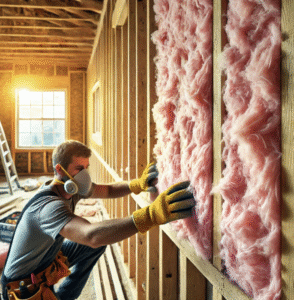
Starting a fiberglass insulation business can be a smart move in today’s climate-conscious, energy-efficient construction market. As homeowners, builders, and commercial facilities seek to reduce energy waste, demand for quality insulation continues to rise. But turning that demand into a successful business requires more than buying rolls of fiberglass and knocking on doors. You’ll need planning, compliance, marketing, operations, and perhaps most critically, a differentiator that makes your business stand out. This guide walks you through key steps, pitfalls, and strategies to help you launch and grow a fiberglass insulation business. 😊
Market Research & Planning
Before investing money, materials, or time, you need to validate that there is an opportunity in your area. Ask: Are new homes being built where you plan to work? Are older homes being retrofitted for energy efficiency? What competitors operate nearby, and what materials and pricing do they use? You should analyze both the supply side (where to source materials, capacity of local distributors) and the demand side.
When doing this research, review industry forecasts and construction trends. For example, insulation in general is expected to grow as regulation and building standards push for higher R-values and lower energy use. Also consider local climate and building codes.
With this data, craft a business plan. Include your service offerings (e.g. new installation, retrofit, insulation removal, commercial work), your target customer segments (residential, light commercial, remodelers), revenue and cost forecasts, marketing strategies, and growth milestones. A robust business plan helps not only guide operations but also attract funding or partners.
Legal Setup, Permits & Insurance
Once your plan is ready, you’ll need to legally form your business. Choose an entity structure (e.g. LLC, S corporation, sole proprietorship) based on liability, tax, and growth goals. Register with state and local authorities, get an EIN, and open a business bank account.
Next, check local licensing and permits. Some municipalities require general contractor or insulation subcontractor licenses. You may also need building permits or environmental permits depending on your materials and application.
Insurance is critical in a construction-adjacent business. At minimum, carry general liability insurance. If you hire employees, get workers’ compensation. If your business uses vehicles, commercial auto insurance will be mandatory. Also consider pollution liability or pollutant cleanup coverage if your work involves dust, debris, or material disposal.
Obtaining certifications can help your credibility. While not always required, credentials like OSHA safety training, building insulation certifications, or associations in energy efficiency sectors can differentiate you in the market.
Equipment, Materials & Suppliers
Fiberglass insulation work requires specialized tools and the right materials. You’ll need items such as:
-
Rolls, batts, or loose-fill fiberglass material
-
Blown-in insulation machines (if you offer loose-fill)
-
Cutters, masks, gloves, safety suits, goggles
-
Moisture barriers, vapor retarders, tapes, sealants
-
Ladders, scaffolding, installation supports
If you ever expand into spray foam or hybrid systems, you may need spray rigs or two-part chemical systems as well. Many guides to starting a spray foam or hybrid insulation business outline the high cost of rigs and training involved. service-partners.com+1
Negotiate with suppliers early. Secure favorable price breaks, consistent delivery schedules, and support for returns or defects. Even small cost improvements in insulation material can improve your margins significantly.
Staffing and Training
In the early stages, you may do much of the work yourself or with a small crew. But to scale, recruit reliable technicians. Look for people who are dependable, safety-conscious, and can learn precise installation techniques.
Train new hires on safety, best practices, regulatory compliance, and on-the-job quality standards. Regular safety refreshers help prevent injuries and project delays. Document procedures and create checklists so your processes remain consistent across teams.
Marketing, Sales & Customer Acquisition
Having great capability doesn’t guarantee customers. You’ll need to build visibility and trust in your region. Consider these channels:
-
Website and SEO: A professional site that explains the advantages of fiberglass insulation, showcases completed jobs, and captures leads is essential.
-
Local SEO and reviews: Claim profiles on Google My Business, Yelp, and local directories. Encourage happy customers to leave positive reviews.
-
Networking & partnerships: Work with home builders, remodeling contractors, architects, and energy auditors. Many insulation jobs come via referrals.
-
Local advertising & events: Sponsor home shows, attend trade expos, and advertise in regional construction or homeowner publications.
-
Educational content: Write articles or videos that explain insulation benefits, R-values, energy savings, etc. This builds authority and trust.
Partnerships with local businesses (e.g. HVAC contractors or builders) not only bring leads but lend credibility. Associating with local trade associations or chambers can amplify your reputation. Search Engine Journal
You may also aim for press coverage. Getting mentioned in business media or trade publications can boost your profile. Align with news stories (e.g. energy regulation changes, housing trends) to pitch your expertise. Authority media outlets such as Reuters Breakingviews or Business Insider often cover industry shifts and can lend exposure.
Pricing, Bidding & Estimating
Pricing in insulation is competitive, and you’ll need to master accurate estimating. Your bids must cover labor, materials, overhead, equipment, disposal, and a profit margin. Understand the unit cost per square foot or per cubic foot of material based on thickness and R-value.
Offer tiers or options (e.g. standard fiberglass vs denser batts or upgraded barriers) so you can upsell. Be wary of underquoting just to win a job; underestimating labor, waste, or difficulty (odd shapes, obstacles, access issues) is a common pitfall.
Use software or spreadsheets to systematize quoting, track job costs, and analyze margins. Over time, data will help you refine pricing and avoid under- or overcharging.
Operations, Quality Control & Safety
Delivering high quality work consistently is essential to reputation, word-of-mouth referrals, and repeat business. Establish standard operating procedures (SOPs) for installation, cleanup, site protection, customer walkthroughs, and post-work inspection.
Implement a quality control checklist for each job. Inspect coverage, compression, air gaps, moisture barriers, and ensure proper fit. Fix issues before client review.
Safety is nonnegotiable. Fiberglass dust can irritate skin and lungs. You and your crew must wear protective gear, masks or respirators, gloves, and long sleeves. Training in OSHA standards and safe handling is crucial.
Project scheduling, material staging, transport logistics, waste removal, and coordination with general contractors all affect efficiency. The smoother your operations, the lower your overhead and the higher your profits.
Scaling & Growth
Once you have proven processes, a steady customer base, and a reputation for quality, you can scale. Options include:
-
Expanding your service area
-
Hiring additional crews or supervisors
-
Offering complementary services (e.g. spray foam, radiant barriers, insulation removal, energy audits)
-
Franchising or licensing your brand in new territories
To fuel growth, reinvest profits in marketing, training, equipment upgrades, and staff retention.
Potential Challenges & How to Overcome Them
Every business has obstacles. Some you might face include:
-
High startup capital — equipment, vehicle, materials — so seek financing or phased growth
-
Seasonality or slow periods — balance with off-season services (e.g. audits, retrofits)
-
Competition from low-cost providers — differentiate via quality, warranties, customer service
-
Regulatory changes — stay current on energy codes, insulation standards, and environmental rules
-
Customer skepticism or lack of awareness — use demonstrations, case studies, samples, or comparisons
Forums in the insulation industry report that early years often strain finances. One business owner noted needing to prepare for doubled expenses and a steep learning curve. sprayfoammagazine.com
Conclusion
Starting a fiberglass insulation business is a demanding but rewarding path. Success lies not just in laying insulation, but in planning, compliance, quality workmanship, smart marketing, and continual improvement. With a solid business plan, the right equipment, a trained team, and a strategy to win and retain customers, you can carve out a niche in the energy-efficiency market. As energy costs and building standards tighten, insulation demand is unlikely to fade — and you can position your company to thrive in that trend. 🚀