

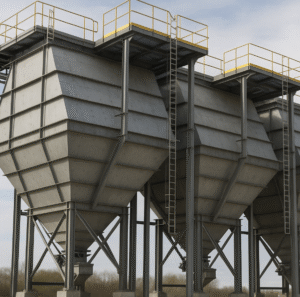
Starting a business in the industrial equipment space may not be glamorous—but it is smart. Among the growing opportunities in this sector is launching a surge bins business, which plays a vital role in material handling, manufacturing, construction, plastics, and bulk solids industries. These unassuming metal or plastic bins help streamline production by managing flow, storage, and discharge of bulk materials, and they are in constant demand across multiple industries.
In this guide, we’ll walk you through how to start a surge bins business, from understanding what surge bins are and who needs them to planning operations, handling logistics, and scaling. Whether you’re a manufacturer, fabricator, or distributor looking to break into a niche with strong industrial potential, this is your step-by-step roadmap 🛠️
What Are Surge Bins?
Surge bins are intermediate storage containers used to hold bulk materials—such as plastic pellets, sand, grain, or powders—before they are transported to the next phase of processing. They are often used in systems where the flow of materials must be temporarily halted or controlled without disrupting the entire production process.
Typical industries using surge bins include:
-
Plastics and resin manufacturing
-
Chemical processing
-
Food and beverage
-
Pharmaceuticals
-
Construction and mining
-
Agriculture
Surge bins differ from silos in scale and application. While silos are for long-term storage, surge bins are designed to buffer short-term material surges, ensuring continuous and controlled feed rates.
According to Chemical Processing, effective bulk solids handling—including the use of surge bins—can make or break a plant’s efficiency. That means your customers aren’t just buying steel; they’re investing in process stability.
Why a Surge Bins Business Is a Profitable Niche 💼
Let’s look at a few reasons why starting a surge bins business makes good economic sense:
-
Consistent demand across sectors: From construction firms needing temporary storage of materials to food manufacturers handling dry bulk, surge bins are essential equipment.
-
Customization creates profit margins: Each bin can be tailored to meet material type, flow rate, discharge method, or mobility features—meaning you’re not stuck in a race-to-the-bottom pricing model.
-
Complementary product opportunities: Surge bins are often sold alongside hoppers, conveyors, augers, and feeders. These present long-term upsell potential.
-
Industrial automation growth: As automation increases, so does the need for material flow precision. Surge bins play a critical role in optimizing these systems.
Step 1: Research the Industry and Customer Needs
Begin by studying your market. Ask:
-
What industries are growing in your region or service area?
-
Are there manufacturers nearby who use resin, grain, powder, or other flowable materials?
-
Do local factories use bins for temporary material storage or buffering?
Talk to plant managers, production engineers, and procurement officers. Your goal is to find the pain points in their current storage solutions. Maybe their bins clog too often. Maybe they’re difficult to clean. Maybe they’re losing money during material changeovers. These gaps represent your opportunity.
Use platforms like ThomasNet and Manta to identify industrial prospects in your area. Also, review OSHA and NIOSH safety standards for bulk material handling to understand critical design requirements.
Step 2: Decide on Your Business Model
There are a few main ways to enter the surge bin space:
1. Manufacturing from scratch: This requires fabrication equipment, skilled welders, and quality assurance systems. High startup cost but better control over quality and customization.
2. Drop-shipping or reselling: Buy bins from manufacturers and resell them with your branding. Lower overhead but thinner profit margins.
3. Custom fabrication services: You don’t carry inventory but instead build-to-order based on client specs. Ideal if you already own a fabrication shop.
4. Rental and leasing: Offer bins for temporary use in seasonal industries like agriculture or short-term construction projects.
Choose based on your existing resources, network, and skills. If you have a background in welding, machining, or materials handling, fabrication may be your edge. If you’re a logistics expert or marketer, resale or distribution might be more your speed.
Step 3: Create a Business Plan 📊
A strong business plan outlines:
-
Executive summary
-
Market analysis
-
Competitive landscape
-
Product line and customization options
-
Marketing strategy
-
Operations plan
-
Startup costs and pricing
-
Financial projections
Include detailed startup costs such as:
-
Equipment and tools (plasma cutters, welding machines, brake presses)
-
Steel, plastic, or aluminum materials
-
Design software like SolidWorks or AutoCAD
-
Business insurance and permits
-
Warehousing or fabrication space
Depending on your business model, initial investment could range from $25,000 (for drop-shipping or resale) to over $250,000 (for full manufacturing).
Step 4: Handle Legal, Insurance, and Safety Requirements 🛡️
To protect your business and clients:
-
Register your business entity (LLC, S-Corp, etc.)
-
Get a business license and EIN from the IRS
-
Buy product liability insurance
-
Ensure OSHA compliance if manufacturing
If your bins are used in food, pharma, or chemical applications, familiarize yourself with FDA and EPA guidelines as well.
It’s wise to consult a business attorney familiar with industrial manufacturing regulations to ensure you’re covered from the start.
Step 5: Design and Prototype Your Surge Bins
Whether you’re outsourcing or fabricating in-house, design is where you differentiate. Consider the following in your bin design:
-
Material type: Stainless steel, aluminum, or food-safe plastic
-
Volume capacity: Ranges from 500 lbs to several tons
-
Discharge type: Slide gate, butterfly valve, cone bottom
-
Mobility: Forklift pockets, wheels, or skid-mounted
-
Special features: Sight glass, level sensors, vibration aids
CAD modeling and finite element analysis (FEA) can help ensure strength and durability. If you’re new to design, partner with an experienced industrial designer or mechanical engineer to start with a strong, reliable prototype.
Step 6: Set Up Your Supply Chain and Fabrication Workflow
Even if you’re outsourcing fabrication, you’ll need a reliable supply chain for:
-
Raw materials
-
Hardware and valves
-
Sensors or automation components
-
Painting or powder coating services
You may also want to invest in Enterprise Resource Planning (ERP) software to manage orders, inventory, and customer accounts if you’re handling high volume.
Establish a lean manufacturing process to reduce waste, streamline workflow, and deliver on-time. Use the 5S system (Sort, Set in Order, Shine, Standardize, Sustain) to organize your fabrication space.
Step 7: Market and Sell Your Bins 📢
Surge bins aren’t impulse buys. You’ll be selling B2B, which means long sales cycles and technical buyers. Here are some marketing strategies:
-
SEO and paid ads targeting terms like “custom surge bins,” “bulk solids storage bins,” “plastic resin hoppers,” etc.
-
LinkedIn outreach to production managers and plant engineers
-
Industry tradeshows such as Pack Expo or Plastics Recycling Conference
-
Whitepapers and case studies showing ROI, reduced downtime, or increased flow rates with your bins
-
Video walkthroughs of bin features, materials, or customer success stories
Don’t underestimate the power of old-school outreach, either. Cold calling or site visits can work wonders in this industrial niche.
Step 8: Offer Support and Build Long-Term Partnerships
Customer loyalty is key in B2B. Many of your future orders will come from the same companies again and again. To build long-term relationships:
-
Offer consulting services to help clients choose the right bin setup
-
Provide installation support or on-site training
-
Create maintenance packages or annual inspection programs
-
Use a CRM system to track communications and follow-ups
Remember, buyers aren’t just looking for a product. They want peace of mind, speed, and support. Deliver that consistently, and you’ll have a sustainable business.
Step 9: Expand Into Related Products or Services
Once established, consider expanding into:
-
Hopper bins and silos
-
Conveying systems
-
Material handling consulting
-
IoT sensors and remote monitoring for bins
-
Rental fleets for construction or temporary storage
You can also consider franchising or licensing your bin designs to regional manufacturers.
Conclusion: Starting a Surge Bins Business Is Smart, Scalable, and In Demand 🚀
While the surge bins industry may fly under the radar, it is the backbone of production in countless industries. With the right strategy, solid design, and a focus on customer needs, launching a surge bins business can be a rewarding venture—both financially and professionally.
From improving process flow in factories to reducing downtime on job sites, your product isn’t just a bin—it’s part of a system that keeps the world moving. As industries grow and automation increases, the need for flexible, custom, and high-quality surge bins will only continue to rise.
Now is the time to build something that truly supports industry from the ground up. 💪
If you found this guide helpful and want more resources on industrial business startups, manufacturing technology, or bulk materials handling, check out Bulk Powder Processing Resources and SME Manufacturing.