

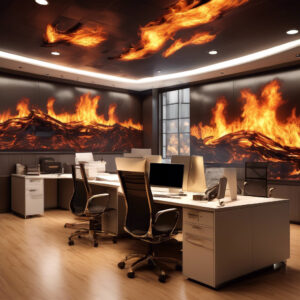
Fire safety is one of the most critical aspects of running a business, yet it is often overlooked until disaster strikes. Many business owners focus on cybersecurity, employee productivity, and market competition while neglecting physical threats such as fires. A single fire incident can lead to devastating consequences, including loss of lives, damage to property, financial instability, and even the permanent closure of a business.
Fireproofing an office is not just about adhering to safety regulations; it is a proactive approach to protecting assets, ensuring business continuity, and safeguarding employees and clients. Implementing fireproofing measures demonstrates responsibility, preparedness, and a commitment to workplace safety. In this article, we will explore why every business should prioritize fireproofing their office, the benefits it offers, and essential fireproofing strategies that can be implemented.
The Importance of Fireproofing an Office
Protecting Lives and Ensuring Safety
The most compelling reason to fireproof an office is to protect human life. Employees, clients, and visitors should feel secure knowing they are in a safe environment. Fires can spread rapidly, leading to injuries or fatalities if proper safety measures are not in place. Fireproofing strategies, such as installing fire-resistant materials, automatic sprinklers, and smoke detectors, can significantly reduce risks and provide critical time for evacuation.
Reducing Property Damage and Financial Loss
Fire damage can be catastrophic, leading to the destruction of expensive office equipment, important documents, and valuable inventory. Replacing these assets can be costly, and some items—such as confidential records and intellectual property—may be irreplaceable. Fireproofing an office helps minimize damage by slowing down the spread of fire, allowing emergency responders more time to control the situation.
Additionally, business insurance policies often provide better coverage for companies that take proactive fire safety measures. Many insurers offer discounts or lower premiums for businesses with fire-resistant infrastructure and comprehensive fire prevention systems.
Maintaining Business Continuity
A fire can halt operations indefinitely, causing significant revenue loss. The longer a business remains closed due to fire-related damages, the harder it becomes to recover. In worst-case scenarios, companies may never reopen. By investing in fireproofing solutions, businesses can ensure continuity and minimize downtime in the event of a fire emergency. Backup plans, such as offsite data storage and remote working capabilities, can also contribute to maintaining business operations.
Compliance with Legal and Safety Regulations
Governments and local authorities impose strict fire safety codes and regulations on businesses. Failure to comply can result in legal repercussions, including hefty fines, lawsuits, and even forced closure. Fireproofing measures ensure that businesses adhere to these regulations, preventing legal troubles and potential liabilities. Regular fire inspections and safety drills should also be part of an organization’s compliance efforts.
Essential Fireproofing Strategies for Businesses
Install Fire-Resistant Materials
Using fire-resistant materials in office construction and design is a fundamental step toward fireproofing. Fire-rated walls, doors, and ceilings can prevent the rapid spread of flames, giving occupants more time to evacuate. Flame-retardant carpets, furniture, and curtains can also reduce the risk of fire outbreaks.
Implement Fire Suppression Systems
Fire suppression systems, such as sprinklers and fire extinguishers, are essential tools in controlling fires before they escalate. Modern fire suppression technology includes automatic systems that detect heat and smoke, activating water or chemical extinguishing agents to douse flames.
Every office should have an adequate number of fire extinguishers, clearly labeled and easily accessible. Employees should be trained in their proper use, as well as in basic fire response procedures.
Smoke and Fire Detection Systems
Installing smoke detectors and fire alarms is crucial for early fire detection. These systems provide immediate alerts, allowing employees and emergency responders to act quickly. Advanced detection systems can be integrated with security systems to automatically notify fire departments, further reducing response time.
Establish a Fire Emergency Plan
Every business should have a well-documented fire emergency plan. This plan should outline:
- Evacuation routes
- Fire assembly points
- Responsibilities of designated fire wardens
- Emergency contact information
- Fire drills and training schedules
Regular fire drills ensure that employees are well-prepared in case of a real fire emergency. They should be conducted at least twice a year to reinforce safe evacuation procedures.
Proper Storage of Flammable Materials
Many offices store combustible materials such as paper, cleaning supplies, and electronics. Proper storage and handling of these materials can prevent accidental fire outbreaks. Flammable liquids should be kept in fireproof cabinets, and waste materials should be disposed of regularly to avoid fire hazards.
Electrical Safety Measures
Faulty electrical wiring is one of the leading causes of office fires. Businesses should conduct regular electrical inspections to identify potential hazards such as overloaded circuits, damaged wiring, and outdated electrical panels. Using surge protectors, unplugging unused devices, and ensuring proper maintenance of office appliances can significantly reduce fire risks.
Employee Fire Safety Training
Educating employees about fire safety is just as important as implementing fireproofing measures. Fire safety training should include:
- Recognizing fire hazards
- Using fire extinguishers
- Evacuation procedures
- Emergency contact protocols
Having a team of trained fire wardens within the office can enhance overall fire preparedness and response efficiency.
The Long-Term Benefits of Fireproofing
Fireproofing is not just a precautionary measure; it is an investment in long-term security and stability. Businesses that prioritize fire safety benefit from lower insurance costs, reduced legal risks, and improved employee confidence in workplace safety. Additionally, fireproofing efforts enhance a company’s reputation by demonstrating corporate responsibility and commitment to employee welfare.
Conclusion
Fireproofing an office is an essential responsibility that every business must take seriously. Fires can cause irreversible damage, disrupt operations, and endanger lives. By implementing fireproofing measures such as fire-resistant materials, suppression systems, early detection technology, and employee training, businesses can create a safer work environment and ensure long-term sustainability.
Ignoring fire safety can lead to devastating consequences, but taking proactive steps can safeguard employees, protect valuable assets, and keep a business running smoothly. The cost of fireproofing is minimal compared to the potential losses from a fire disaster. Businesses that invest in fire safety today are securing their future success and stability.