

Launching a nestable pallets business can be a smart, capital-efficient way to enter the logistics and packaging sector. Demand for lighter, cleaner, space-saving pallet solutions keeps rising as e-commerce, food & beverage, and pharmaceuticals look for cost control, hygiene, and sustainability. In this guide, you’ll learn what nestable pallets are, who buys them, how to structure your offer, and the step-by-step path to get from zero to first revenue—without drowning in jargon or guesswork. 💡
What Are Nestable Pallets and Why They’re a Big Deal 🧩
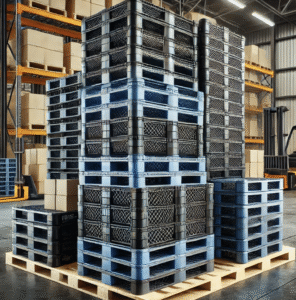
Nestable pallets are typically plastic pallets designed with tapered “feet” so they fit inside each other when empty. That simple design shift slashes empty-pallet volume by 50–75% compared to non-nesting pallets, which lowers storage and backhaul costs. They’re also consistent in weight and size, moisture-resistant, easy to clean, and compatible with most automated handling equipment.
Where they shine:
-
Backhaul and storage savings: Fewer truckloads, smaller warehousing footprint for empties.
-
Hygiene: Ideal for sectors that care about sanitation (food, pharma, personal care).
-
Durability and consistency: Less breakage than wood in certain use cases; fewer product rejections from splinters or debris.
-
Sustainability options: Recycled resin and take-back programs can reduce waste and boost brand credentials. 🌱
Who Buys Nestable Pallets (and What They Actually Want) 🎯
Your core buyers tend to be:
-
E-commerce and retail fulfillment centers optimizing outbound and returns.
-
Food & beverage manufacturers prioritizing cleanliness, consistency, and easy sanitation.
-
Pharmaceutical and personal care companies with strict hygiene expectations.
-
3PLs (third-party logistics) bundling pallets into storage/transport contracts.
-
CPG brands moving mixed loads and needing reliable footprint standards.
What buyers care about most:
-
Total landed cost per use (not just purchase price).
-
Dimensional and load specs (static, dynamic, racking compatibility when applicable).
-
Availability at scale with short lead times.
-
Return and pooling options to reduce capital tie-up.
-
Data and traceability (labels, barcodes, or optional RFID/QR tracking).
-
Compliance and cleanliness for regulated or sensitive supply chains.
Market Positioning: Pick a Lane Before You Buy Inventory 🧭
Choose one of these lanes to start; you can expand later:
-
Value/volume lane: Competitive pricing on the most common sizes (e.g., 48×40) and quick delivery. Your edge is logistics efficiency and stock availability.
-
Premium/hygiene lane: Higher-spec resin, smooth top decks, and washing/sanitization services. Your edge is quality assurance and cleanliness data.
-
Sustainability lane: High recycled content, take-back/repurposing, and documented ESG benefits. Your edge is closed-loop credibility and reports.
-
Service-first lane: Rental/pooling, on-site swap programs, and serialized tracking add-ons. Your edge is lowering the customer’s capex and complexity.
Business Model Options (and the Cash Flow Math) 💵
You have three main models—pick one to start, then mix as you grow:
1) Sell-and-deliver (inventory model)
-
Pros: Simple, fast revenue, easier to quote.
-
Cons: Ties up cash in inventory; you must manage forecasting.
-
Cash flow tip: Use supplier terms (Net-30/45), partial prepayments, or credit lines to bridge timing.
2) Distribute/rep:
-
Pros: Lower capital; leverage manufacturers’ stock and dropship options.
-
Cons: Lower margins; dependence on supplier reliability.
-
Cash flow tip: Negotiate tiered pricing and marketing co-op funds for volume ramps.
3) Rental/pooling (service model)
-
Pros: Recurring revenue; stickier customer relationships.
-
Cons: Higher operational complexity (tracking, retrieval, wash/repair).
-
Cash flow tip: Start with a small, geo-focused pool; require deposits and minimum terms.
For any model, build a simple unit economics sheet:
-
Cost per pallet (delivered to your warehouse).
-
Shipping/handling per pallet.
-
Overhead allocation (rent, labor, insurance).
-
Target margin per pallet or per trip (pooling).
-
Break-even volume per month. 📊
Sourcing: How to Get Reliable Supply Without Overcommitting 🤝
-
Shortlist 3–5 manufacturers (domestic and near-shore) that offer your preferred sizes, resin types (HDPE/PP, recycled blends), and options (barcodes, embedded tags, custom colors).
-
Ask for test lots (1–2 pallets of each SKU) to validate durability, nest height, and footprint consistency with common handling equipment.
-
Lock in lead times and safety stock rules. For example, minimum on-hand inventory = 4–6 weeks of average sales for top SKUs.
-
Negotiate terms: tiered pricing, freight programs, labeling at the factory, and co-marketing assets.
Legal, Insurance, and Risk Management (Don’t Skip This) 🧾
-
Form the right entity (e.g., LLC) and secure an EIN and sales tax registrations as required in your states of operation.
-
Insurance: general liability, product liability, inland marine (for goods in transit), and workers’ comp.
-
Contracts: Terms & Conditions covering specs, delivery, damage claims, returns, and service-level expectations. For rentals, define loss rates, cleaning standards, and retrieval windows.
-
Standards & labeling: Ensure consistent size/footprint and clear, durable identification (SKU, lot, or customer ID).
Operations: Keep It Lean, Fast, and Measurable ⚙️
Warehouse & handling
-
Start with a small, well-located warehouse near a freight hub to reduce transit costs.
-
Use a WMS/lightweight inventory system (even a robust spreadsheet stack at first) tracking SKUs, quantities, and turns.
-
Standardize receiving and QC: check dimensions, weight, and nest height; document with photos.
Logistics
-
Negotiate with LTL and regional carriers; compare cube utilization for nested stacks to cut costs.
-
Offer customer pickup windows to speed urgent orders.
-
For rentals, set return routing and designate swap points to reduce deadhead miles.
Quality & cleaning
-
For hygiene-sensitive clients, partner with a wash facility or set up a simple wash/rinse/dry flow and log the cycle counts.
-
Create a repair/retire decision tree (minor foot scuffs vs. structural damage), especially if pooling.
Product/Service Design: SKUs and Add-Ons That Win Deals 🛠️
-
Core SKUs: Two or three sizes to start (e.g., the most requested footprint for your region/industry).
-
Add-ons: Barcode labels, serialized tags, custom stamping, color stripes for quick visual ID.
-
Kitting: Bundle 50–100 pallets per order with freight included within a radius to simplify buying.
-
Data & traceability: Offer basic scan sheets or API-ready spreadsheets for customers to sync with their ERPs.
-
Sustainability option: Document recycled content and offer take-back for end-of-life pallets, diverting them to grinding/repurpose partners. 🌎
Go-to-Market: Get Your First 10 Customers Without Burning Cash 📣
ICP (Ideal Customer Profile)
-
Start with one vertical (e.g., regional food producers) in one region. Build case studies and references fast.
Messaging
-
Lead with cost per trip, nesting saves storage/backhaul, and cleanliness. Speak to operations managers’ KPIs: fewer rejects, smoother audits, fewer trailer runs.
Outbound
-
Create a 30-account hit list. Email + phone + LinkedIn sequence for ops/logistics managers and purchasing.
-
Offer a starter bundle (e.g., 100 pallets + two free serialized test tags + delivery within 72 hours).
-
Share a 1-page ROI calculator (Google Sheet) that projects savings from nesting and reduced breakage.
Inbound & content
-
Publish a 2–3 article series on nestable vs. wood pallets, hygiene wins, and real shipping cost math.
-
Add comparison charts, a lead-time widget, and transparent pricing bands (“from $X at 500+ units”) to reduce friction.
-
Collect testimonials and photos of pallets in use; get permission to show them.
Partnerships
-
Befriend packaging distributors and 3PLs that can tuck your pallets into broader contracts.
-
Co-host a webinar with a WMS or inventory software vendor on unit tracking and compliance.
Pricing Strategy: Transparent, Tiered, and Defensible 🧮
-
Set tiered price breaks (e.g., 50 / 250 / 500 / 1,000 units).
-
Consider regional delivery inclusion at higher tiers—buyers love “easy math.”
-
For rentals, define daily/weekly rates, a loss fee, and a cleaning fee—keep it crystal clear.
-
Offer intro discounts for first orders or multi-month rental commitments to reduce churn risk.
-
Keep a margin guardrail: identify your absolute floor before negotiations begin.
Technology: Simple Tools That Give You Leverage 📲
-
CRM (to track quotes and follow-ups).
-
Light WMS or inventory app (stock levels, inbound/outbound, cycle counts).
-
Barcode/RFID tools for optional tracking—start basic with printable labels and scale up as needed.
-
Freight rating software to compare LTL/regional carriers quickly.
-
Accounting (invoice accuracy and cash collection are as important as pallet specs).
Hiring: The First Three Roles You’ll Need 👥
-
Ops coordinator to manage orders, carriers, and inventory turns.
-
Sales rep/BDR focused on one vertical and a tight geographic radius.
-
Driver/warehouse tech (can be contracted initially) to handle pick/pack/load and local deliveries.
Cross-train everyone on safety, QC checks, and how to explain unit economics to customers.
KPIs That Keep You Honest 📈
-
Gross margin per pallet (by SKU and by deal).
-
Inventory turns and days on hand.
-
On-time delivery rate.
-
Return/defect rate and wash cycle time (if applicable).
-
Quote-to-close and average deal size.
Report weekly. Adjust SKUs, price tiers, or delivery radius if metrics sag.
Funding: Keep It Capital-Light While You Prove Demand 💳
-
Supplier terms and customer deposits for custom SKUs.
-
Revolving line of credit for inventory bridging.
-
Equipment leases if you add a small wash line or forklifts.
-
Grants or local incentives for recycling content or circular solutions (varies by region).
Read the Room: Stay Informed on Macro Trends 📰
Logistics costs, oil/resin prices, and retail demand can move fast. Keep an eye on credible business news and supply-chain reporting. For ongoing context and trend signals, follow outlets like Bloomberg, Reuters Business, Financial Times, and The Wall Street Journal. Each offers different perspectives on consumer demand, input costs, and transportation dynamics that may impact pricing and customer budgets. 📍
90-Day Launch Plan (From Zero to First Wins) 🗺️
Days 1–15:
-
Form your entity, set up insurance, and finalize supplier shortlist.
-
Acquire test pallets and validate QC with one local customer willing to trial.
-
Stand up your website with clear SKUs, specs, and a simple “request a quote” flow.
Days 16–45:
-
Lock SKUs and price tiers; negotiate freight.
-
Build a 30-account outbound list; start sequences and book meetings.
-
Create the ROI calculator and a one-pager PDF; gather the first testimonial.
Days 46–75:
-
Close your first 2–3 deals; optimize pick/pack and delivery playbook.
-
Document a small case study (photos + results).
-
Test an intro bundle and a rental pilot if your market has appetite.
Days 76–90:
-
Review KPIs; adjust price tiers and MOQs.
-
Decide whether to expand SKUs or deepen your existing niche.
-
Launch a partnership pilot with a packaging distributor or 3PL.
Conclusion: Start Focused, Prove the Math, Then Scale 🔁
A nestable pallets business wins on execution more than grand strategy. Choose a lane, lock in reliable supply, and prove your unit economics with real buyers in a tight geography. Keep your offer simple—common sizes, transparent pricing, rapid delivery—and layer on services (labels, tracking, rental) as your customer base matures. Track the metrics that matter, read the market, and adjust quickly. With discipline and a customer-first mindset, you can carve out a profitable niche in a market that rewards reliability, cleanliness, and cost-per-trip performance. Onward. 🚚✨